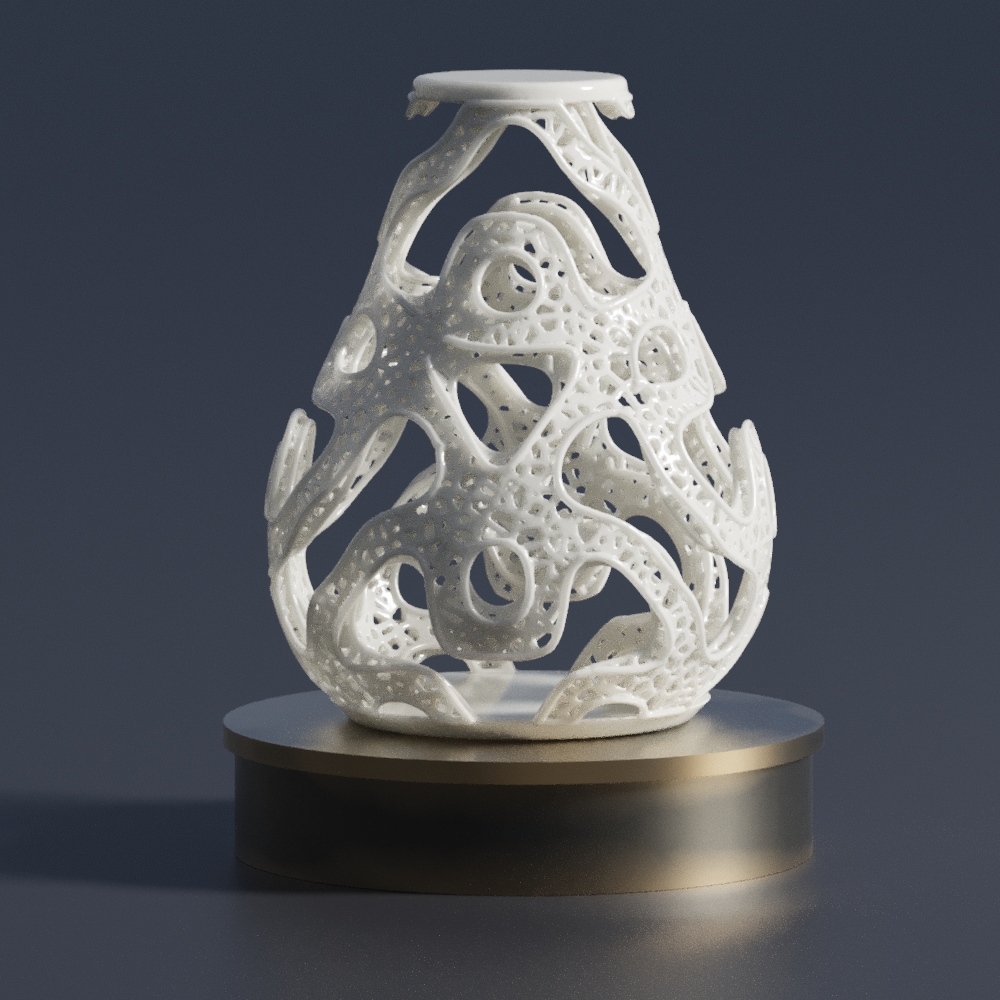
Vase design with porcelain shader in Corona
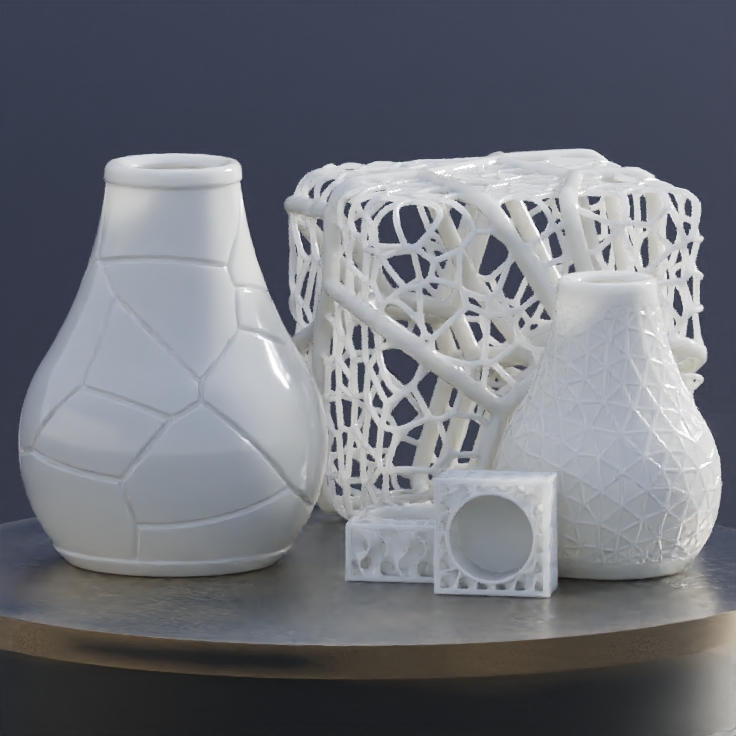
Variations on a design.
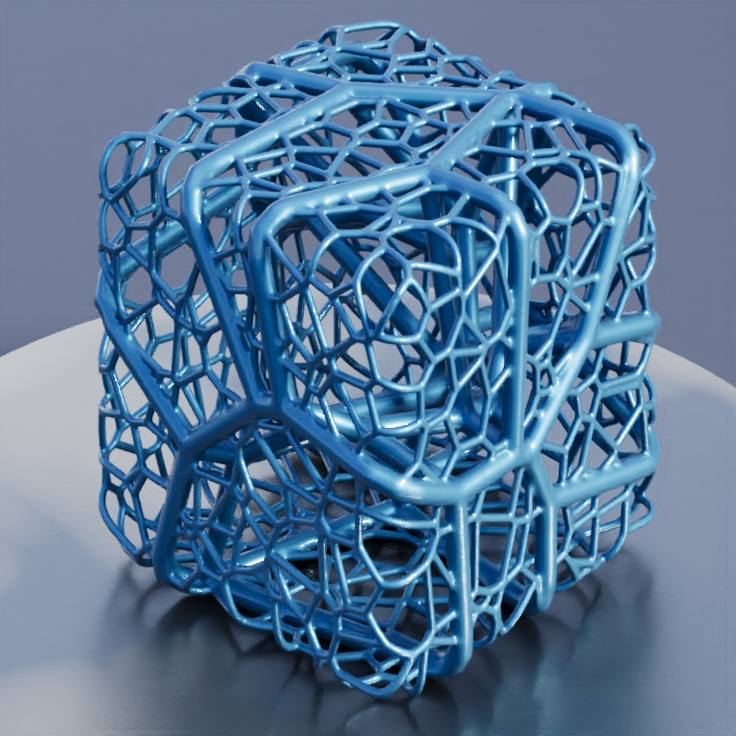
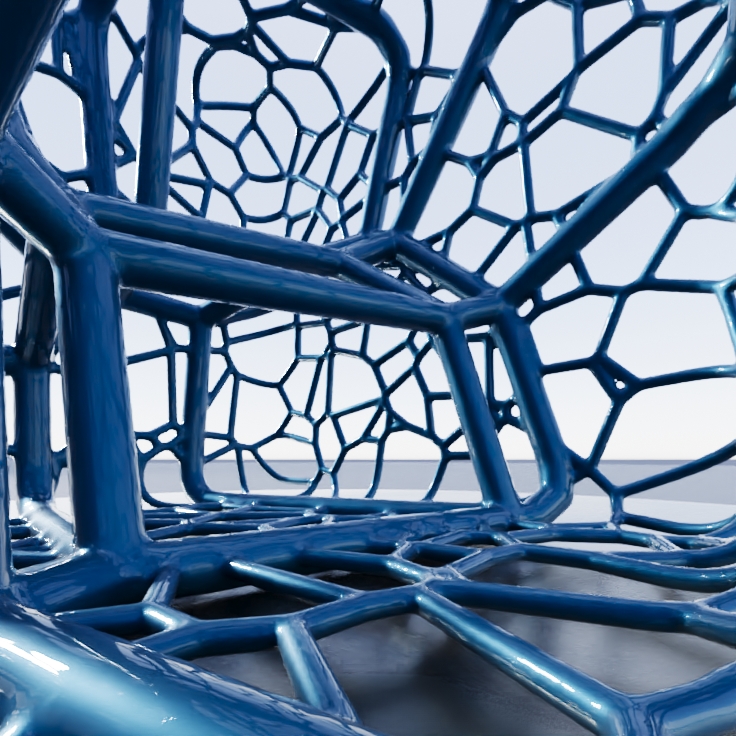
Blue car paint shader
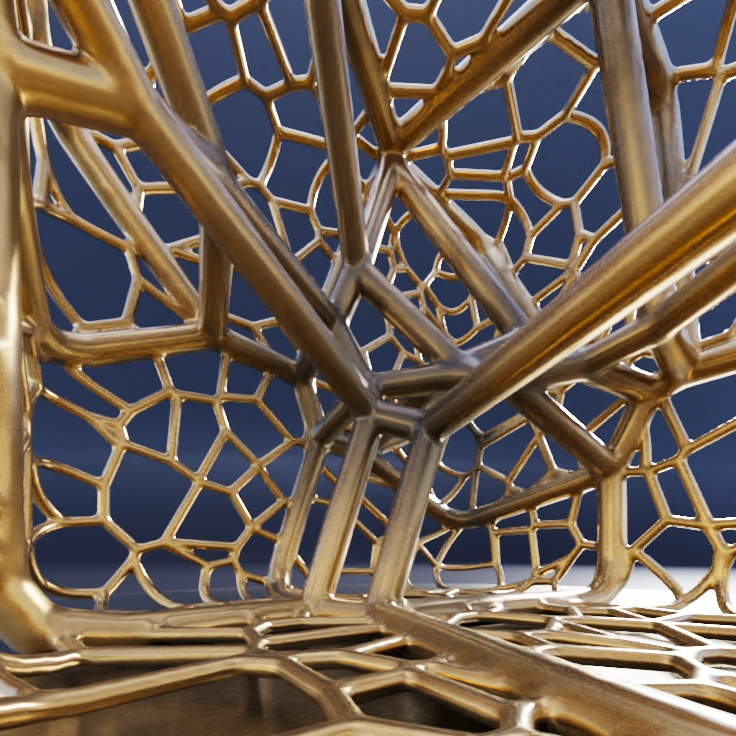
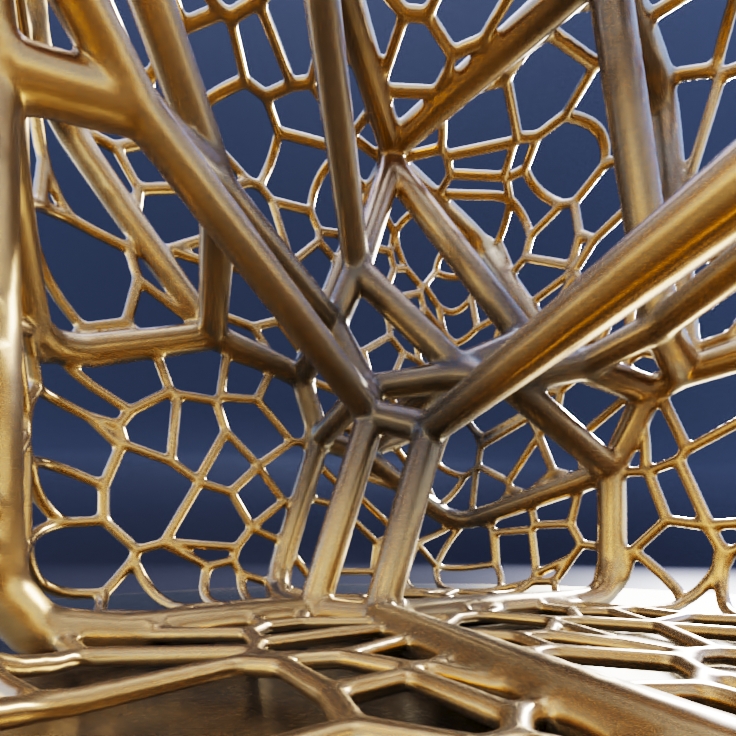
Inside the cube
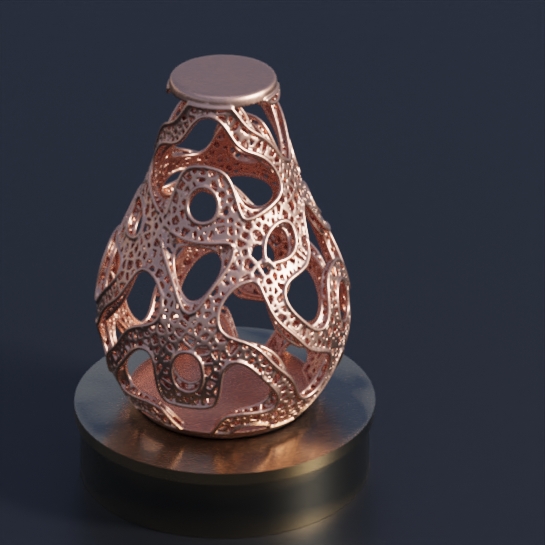
Vase design with porcelain shader in Corona
Variations on a design.
Blue car paint shader
Inside the cube
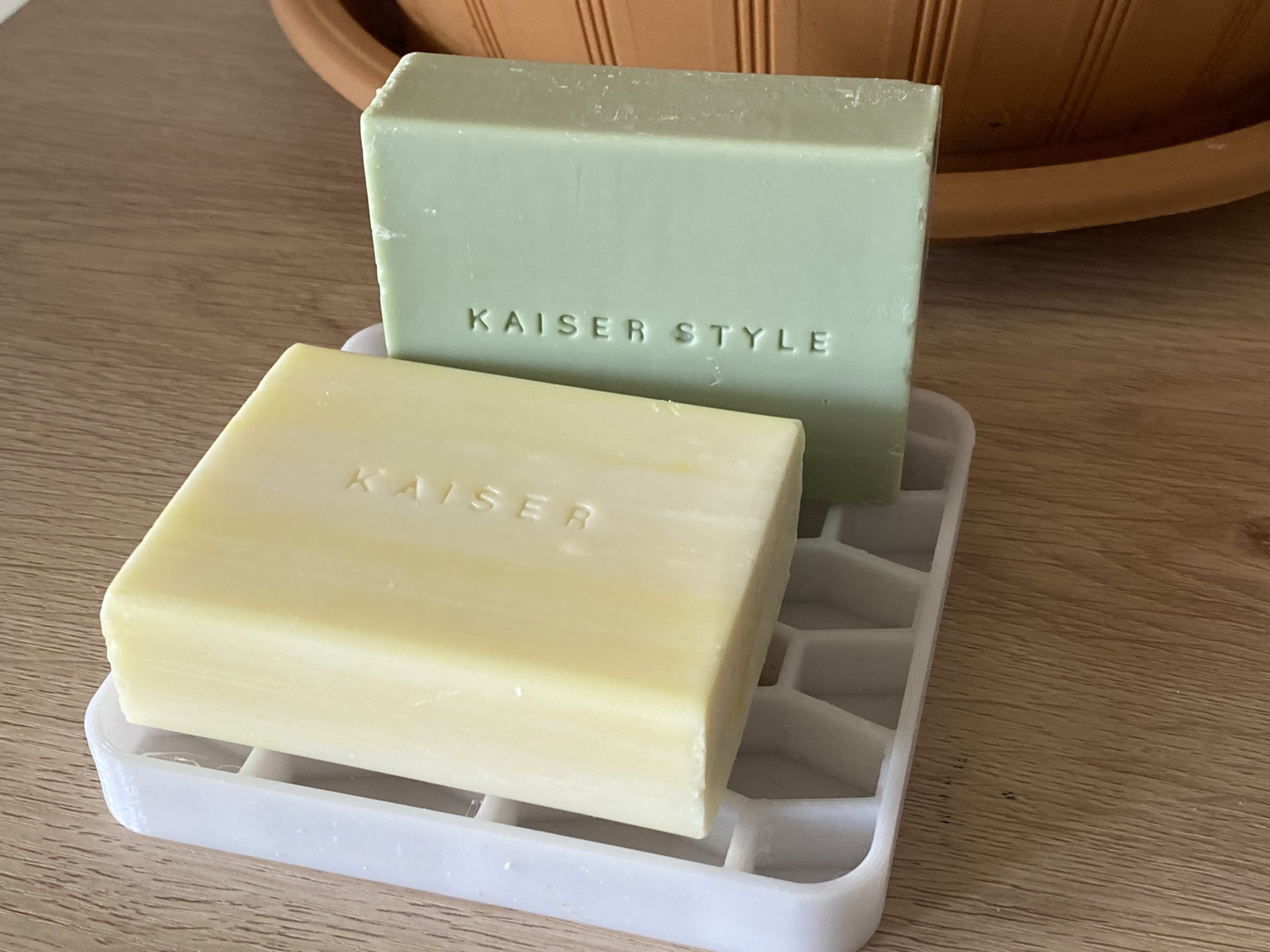
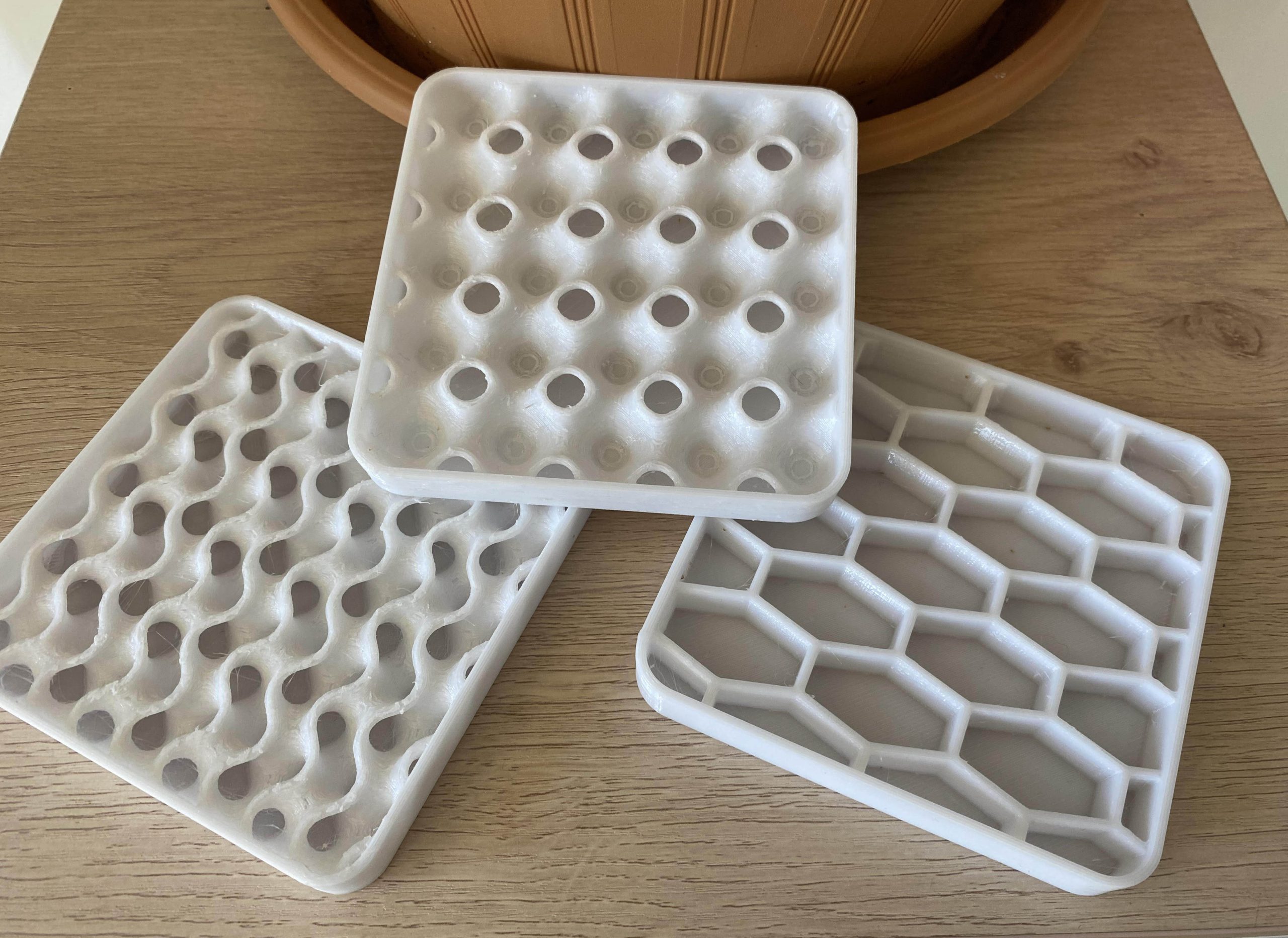
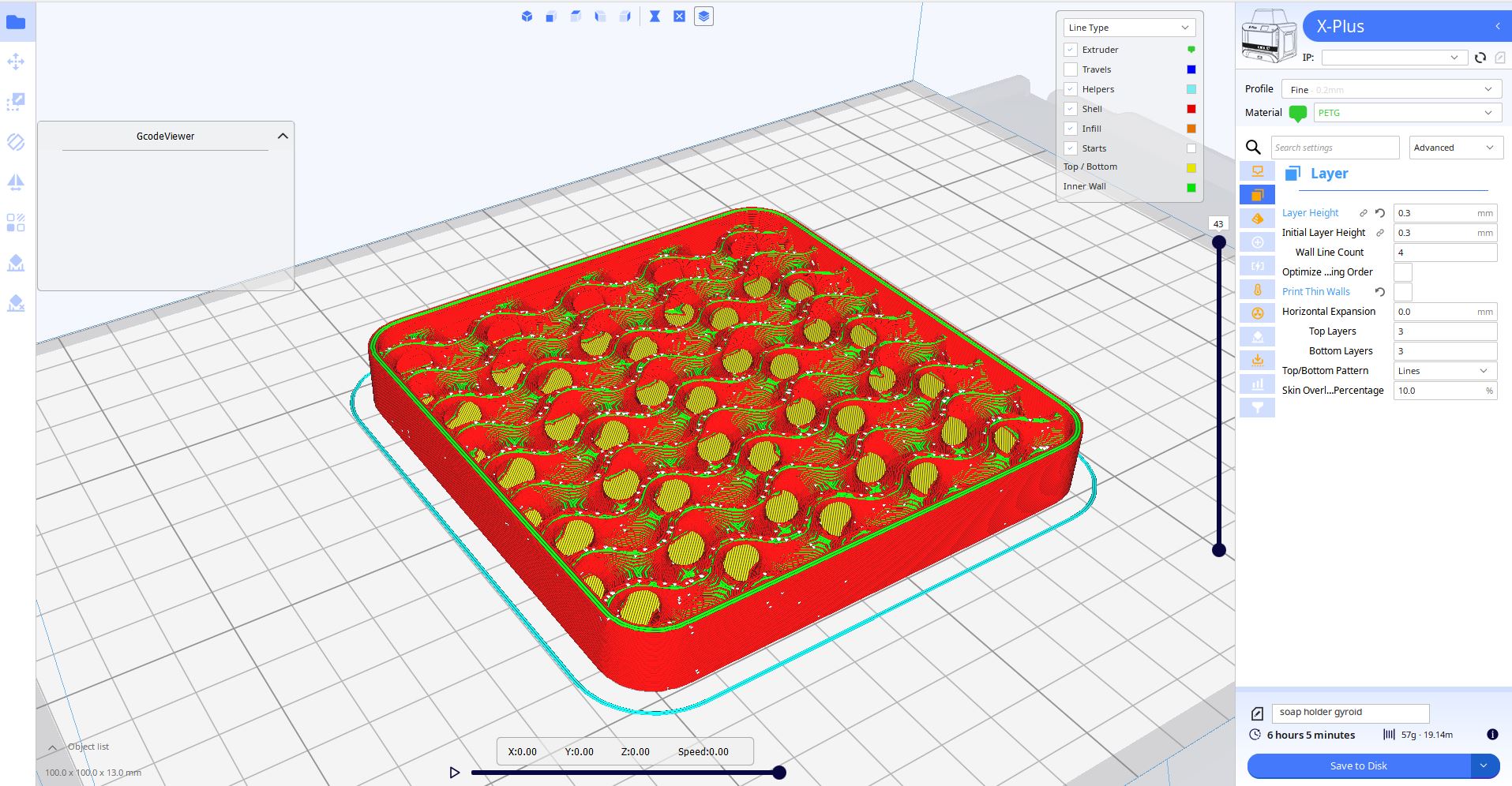
Recent 3D prints experimenting with lattice structure and how well they print in PETG on the QIDI X-Plus.
The .STL files imported into the QIDI X-Plus slicer software ready to be exported as .gcode.
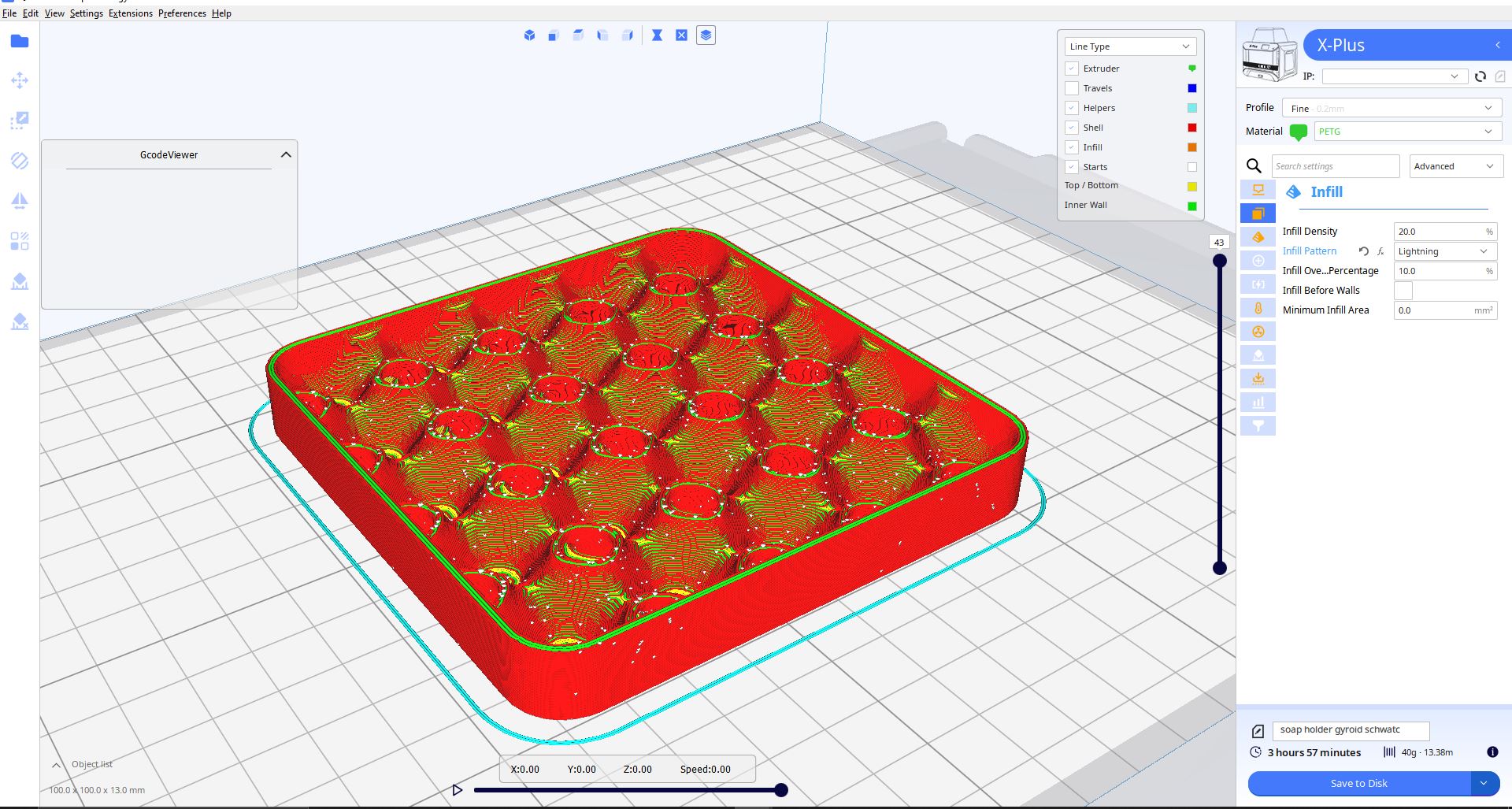
Print time are too long at over 6 hours. Changing out the 0.4mm nozzle to a 0.6mm nozzle and printing with a 0.3mm layer height will help.
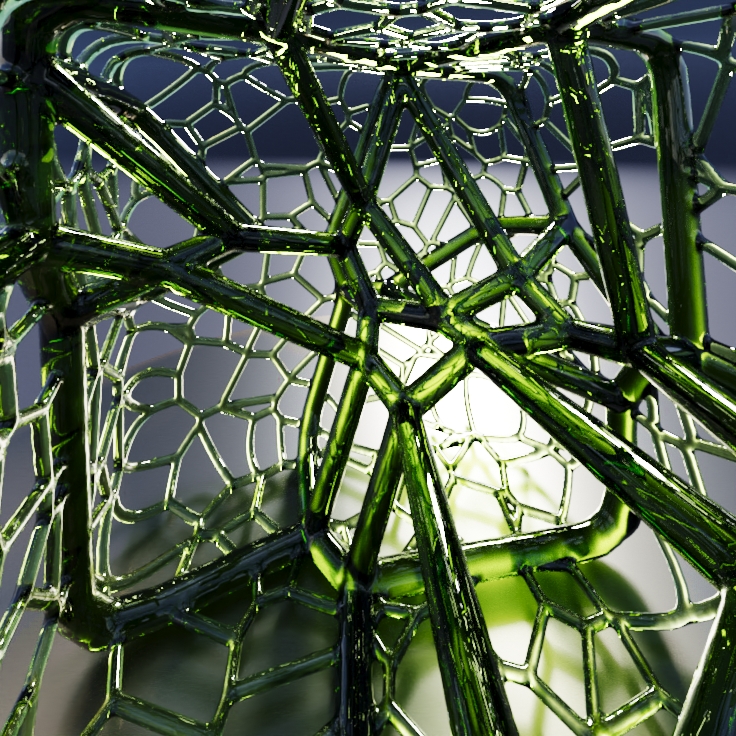
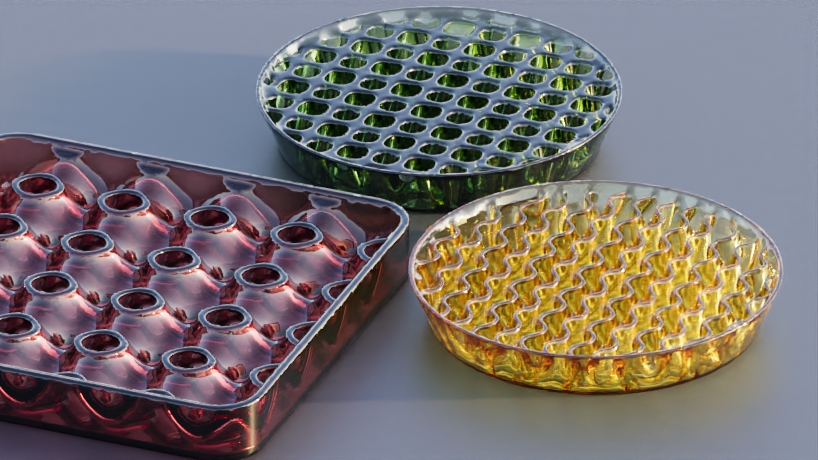
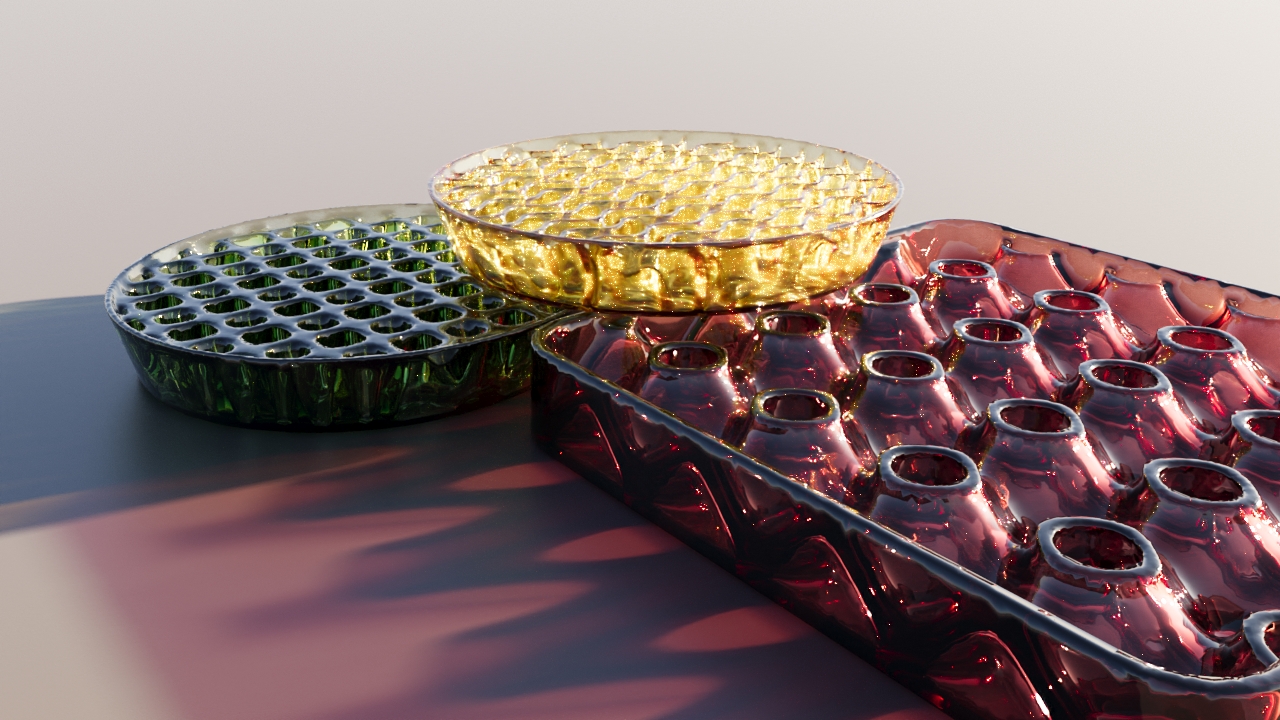
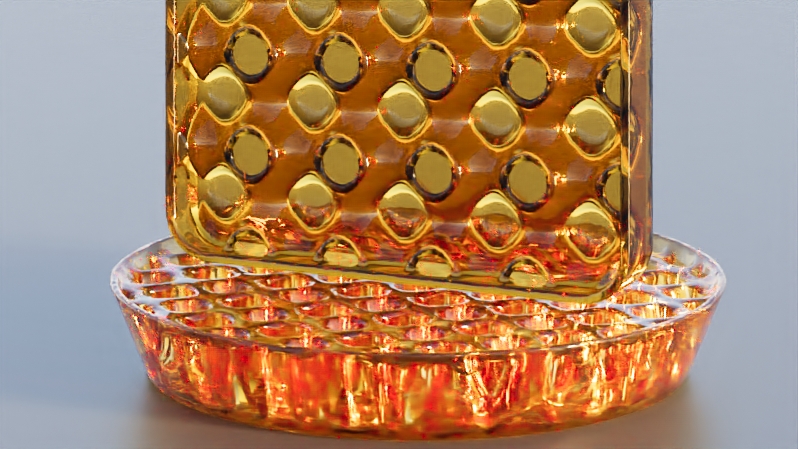
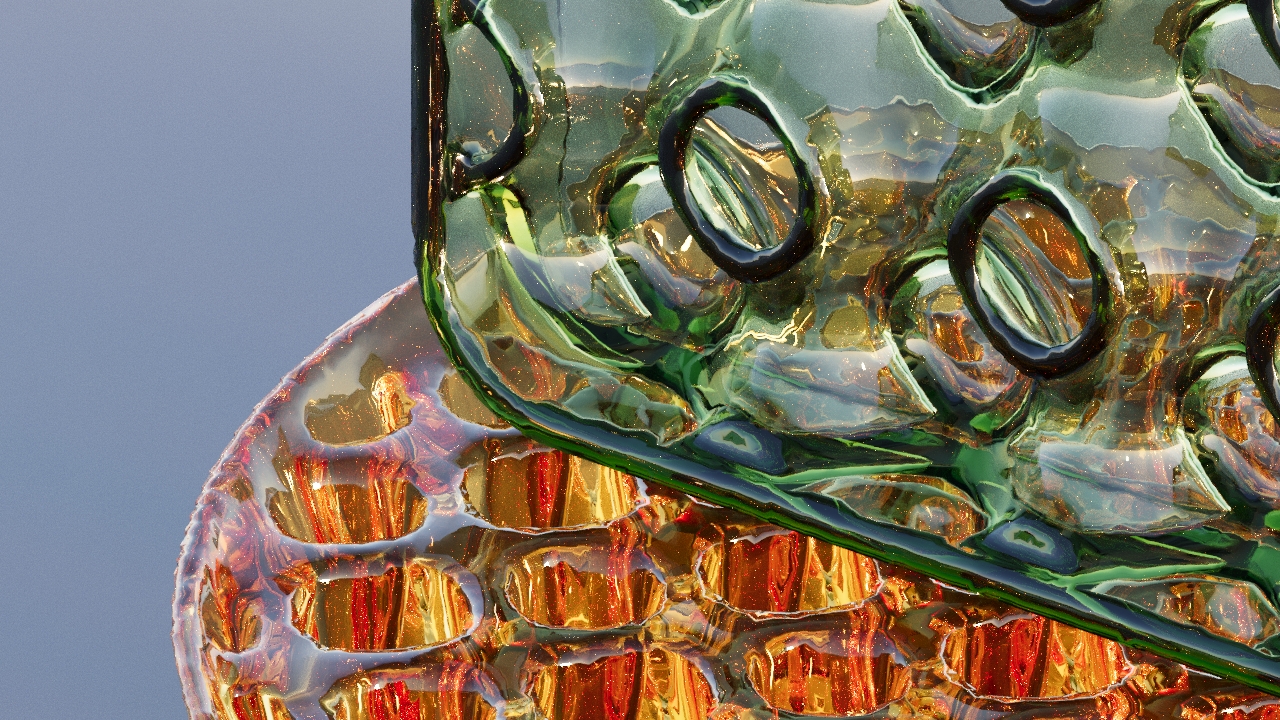
Some 3D renders using the Corona render engine and utilising glass materials.
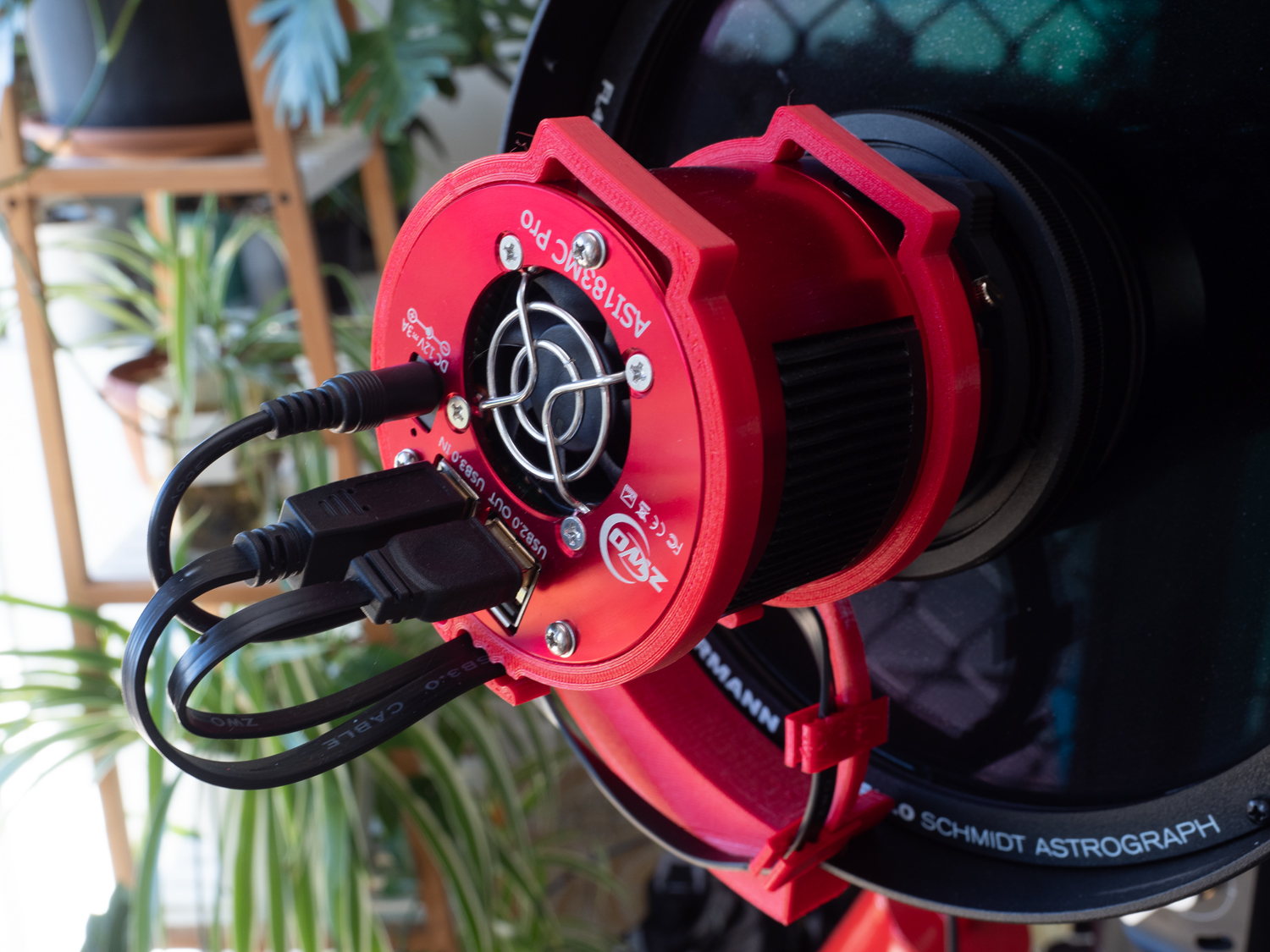
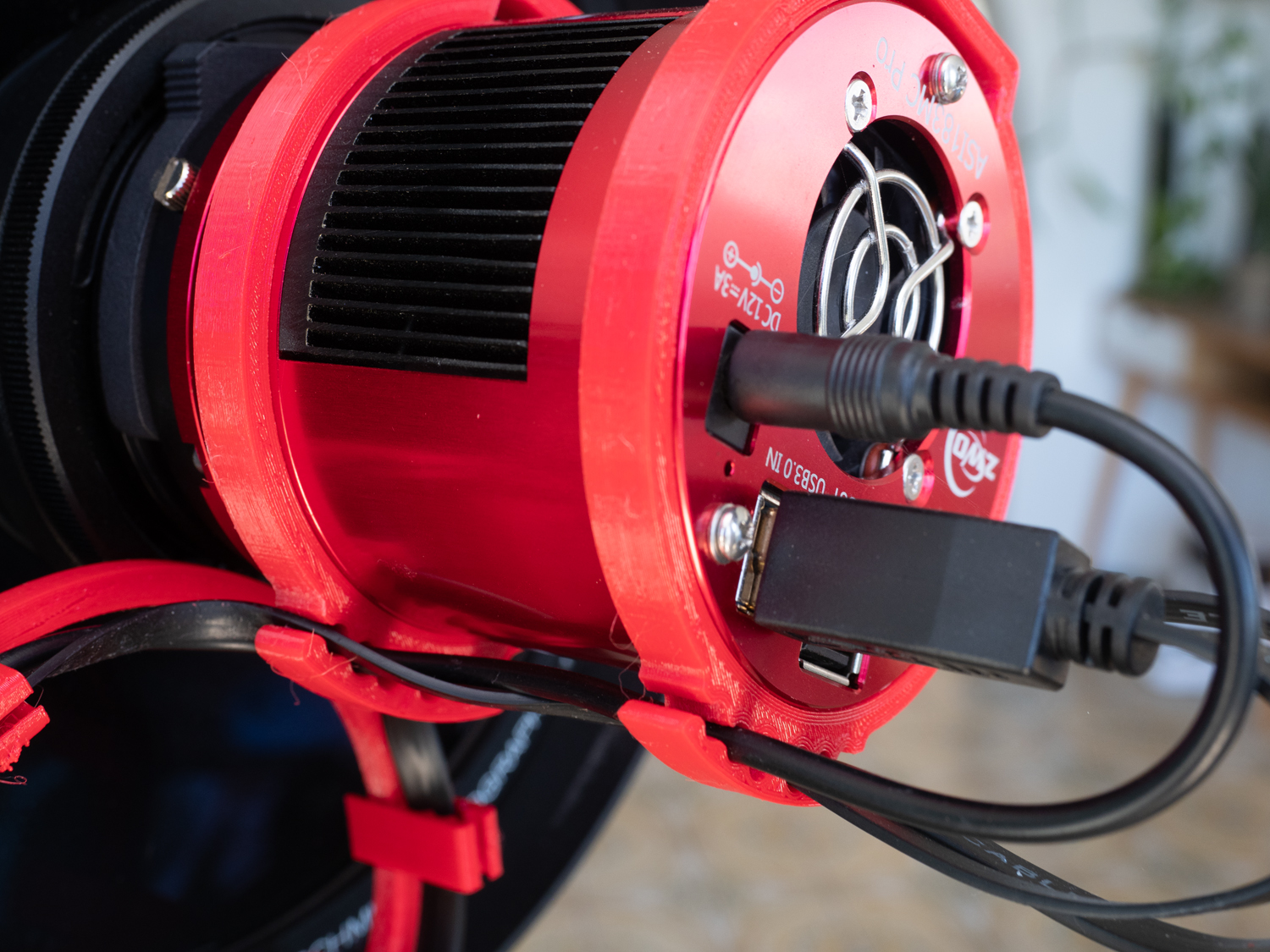
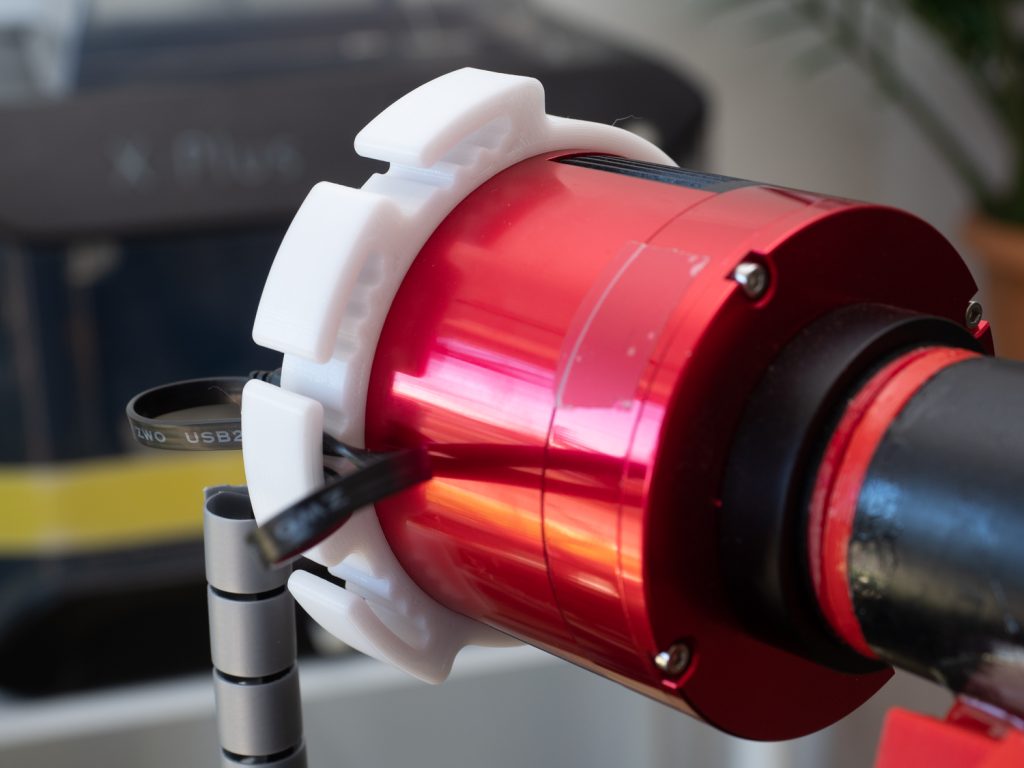
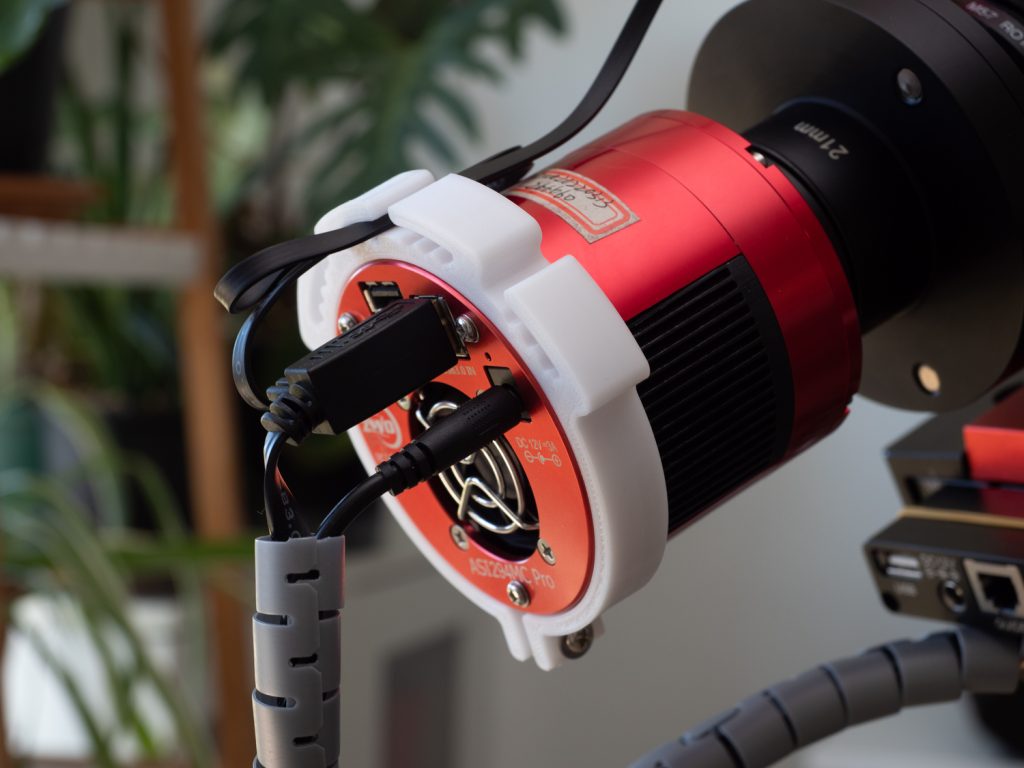
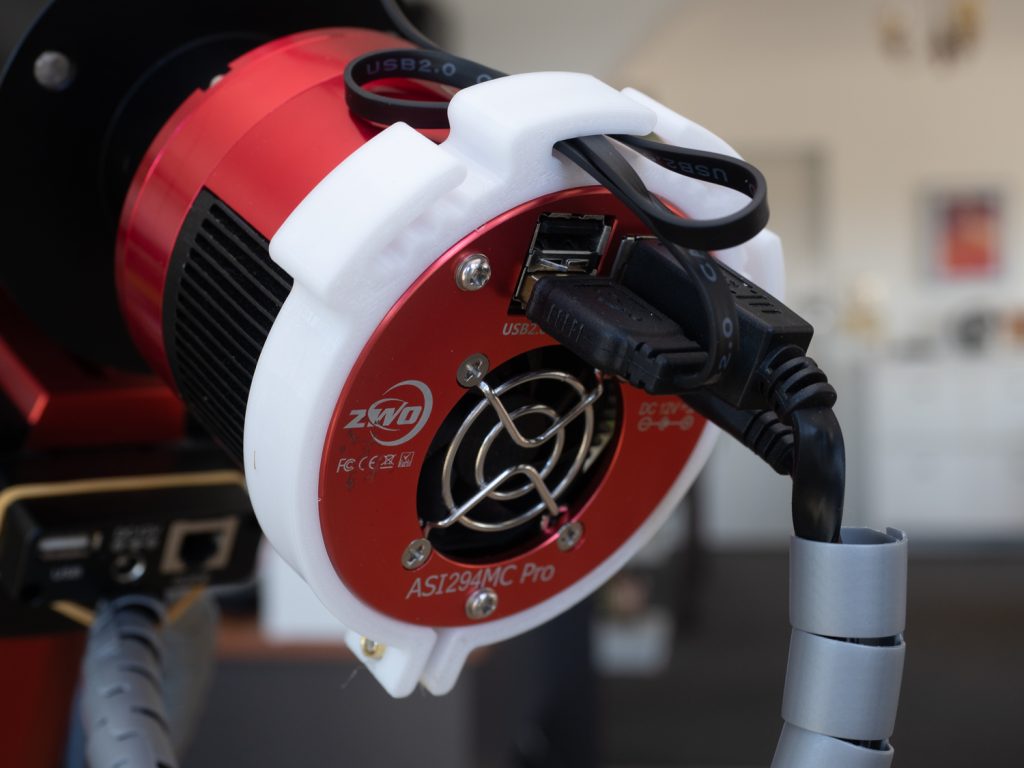
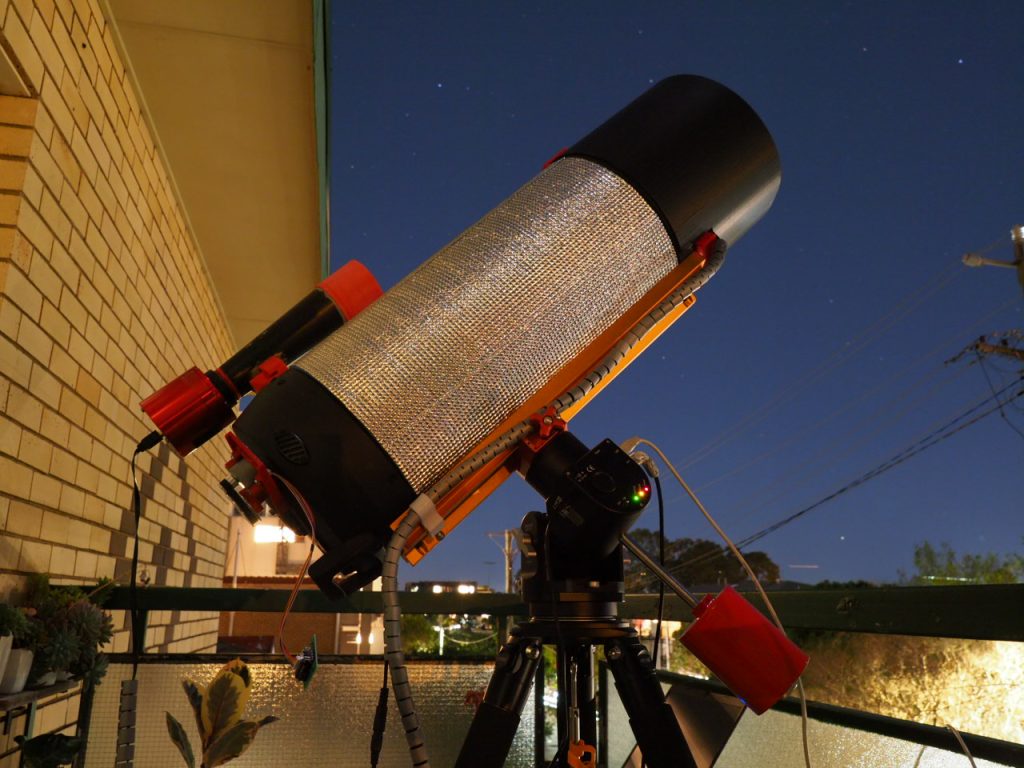
These 3D printed cable guides are part a “fine tuning” process to improve the performance and handling of the RASA8 telescope.
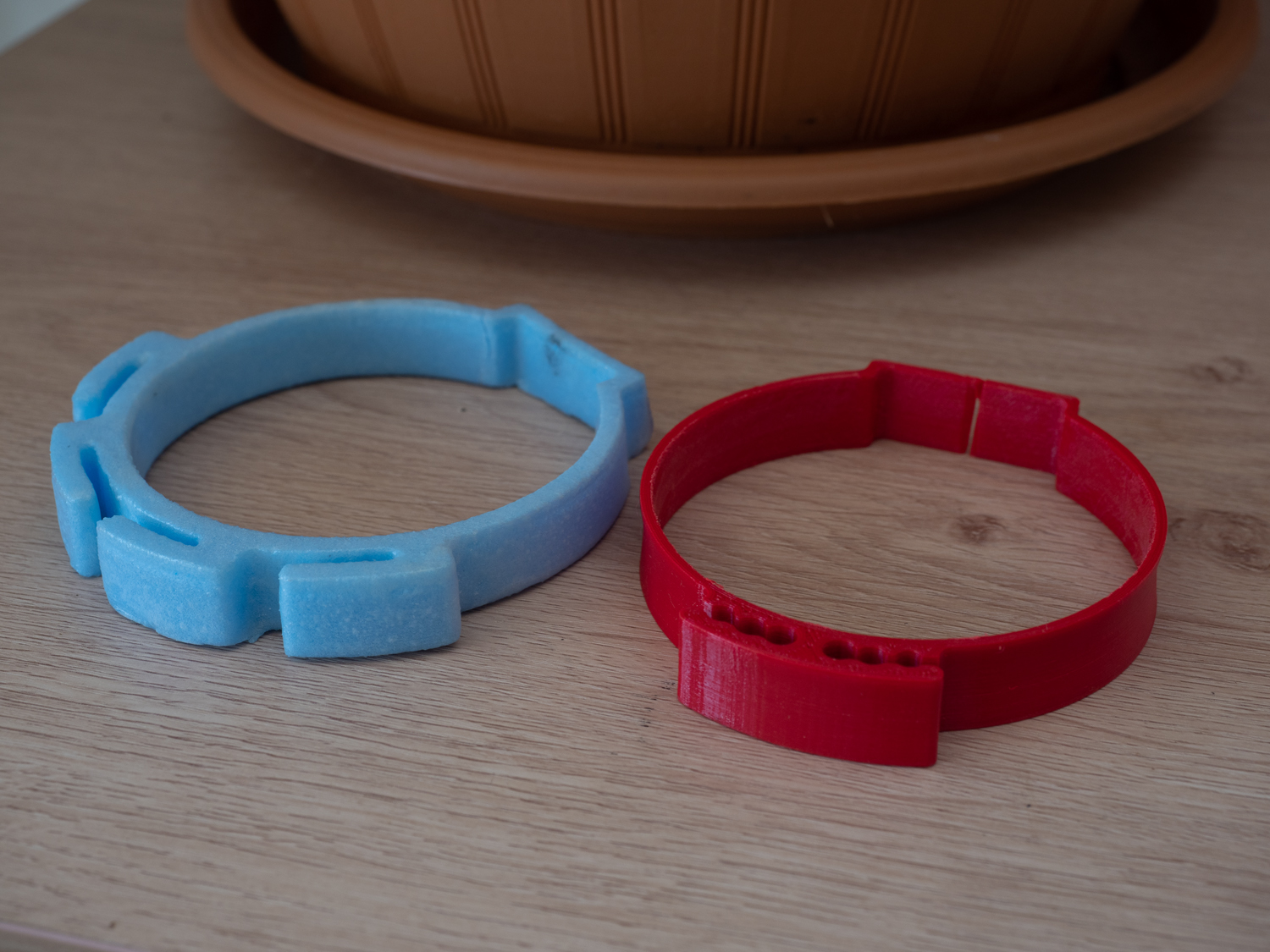
The blue cable guide on the photo below was machined in foam, the red one 3D printed with PETG on the QIDI MAX.
Additional 3D printed cable guides attached below the camera to minimize diffraction spike around bright stars.
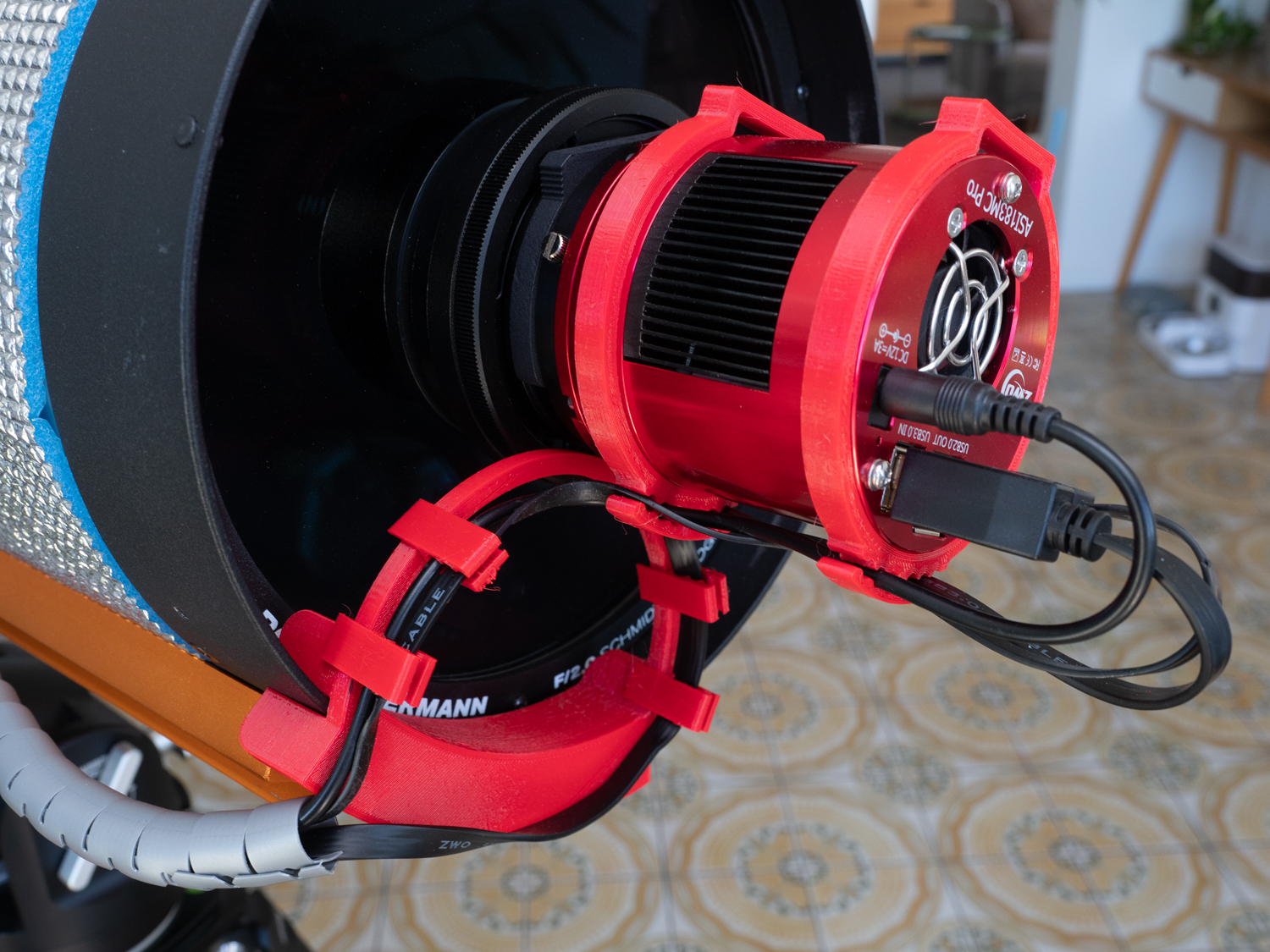
More 3D printed cable guides on an ASI183MC and ASI294
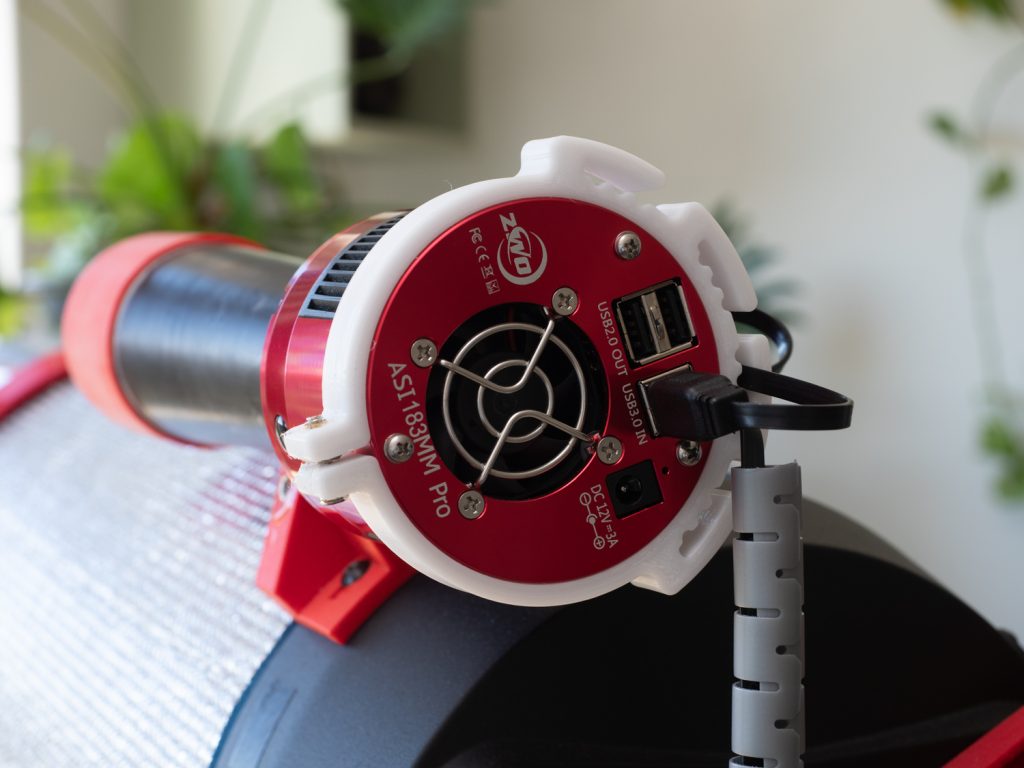
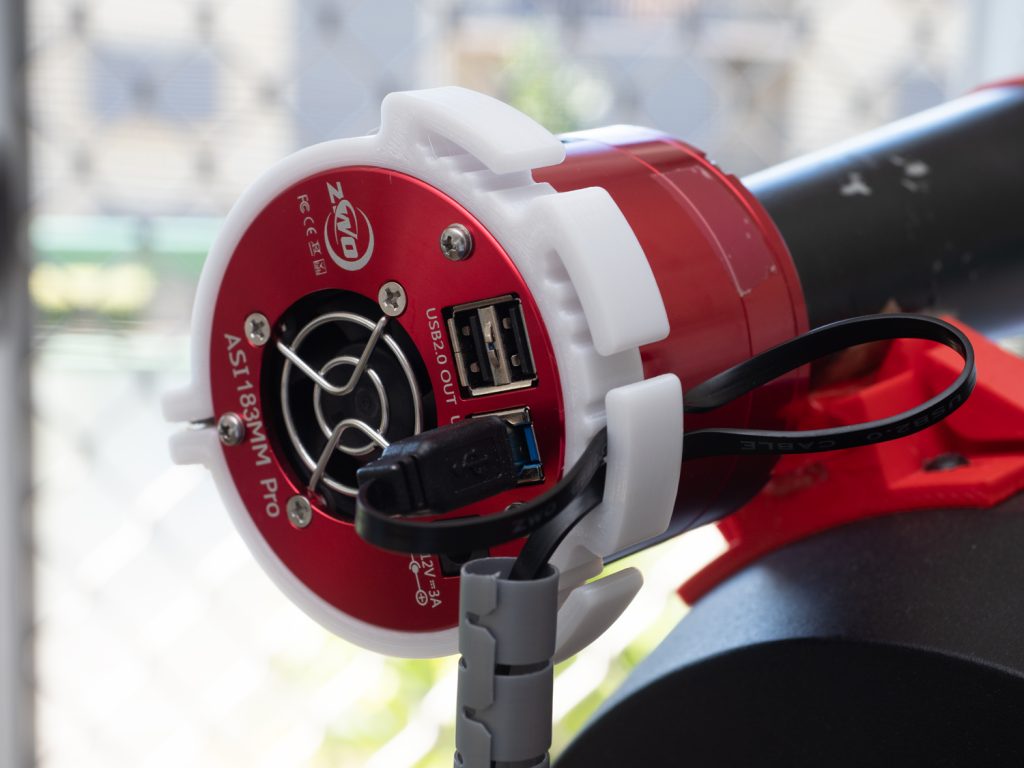
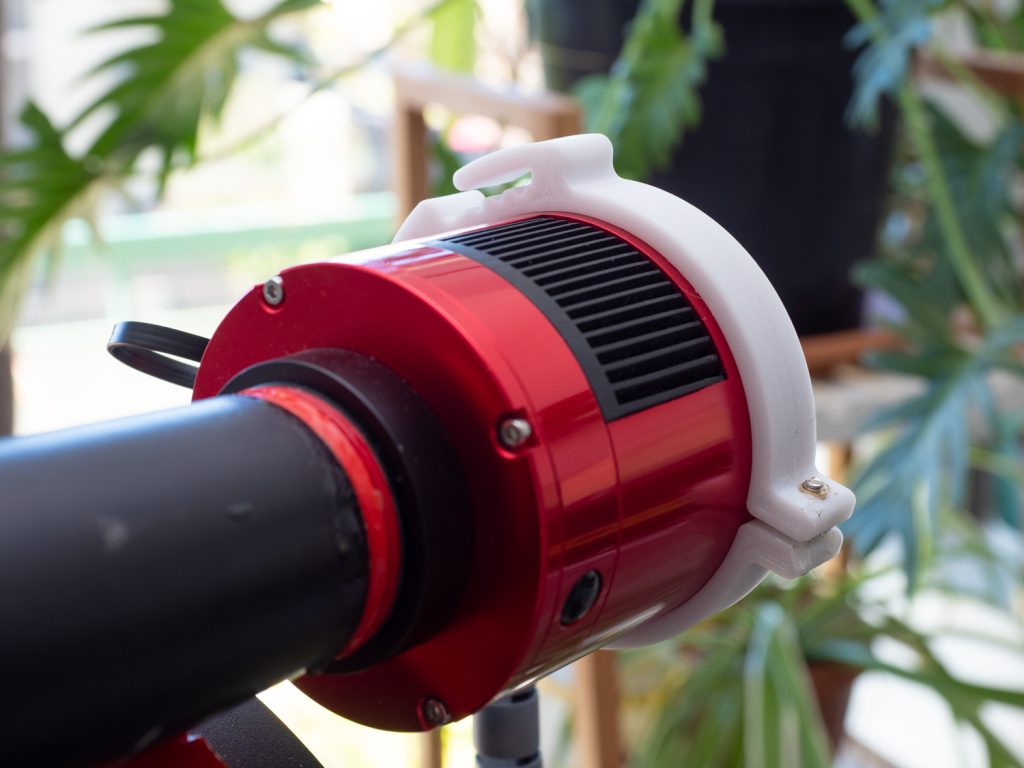
Stay tuned for how these parts were designed and 3D printed
You can see some of the astrophotography images taken with the RASA8 around South East Queensland in the gallery.
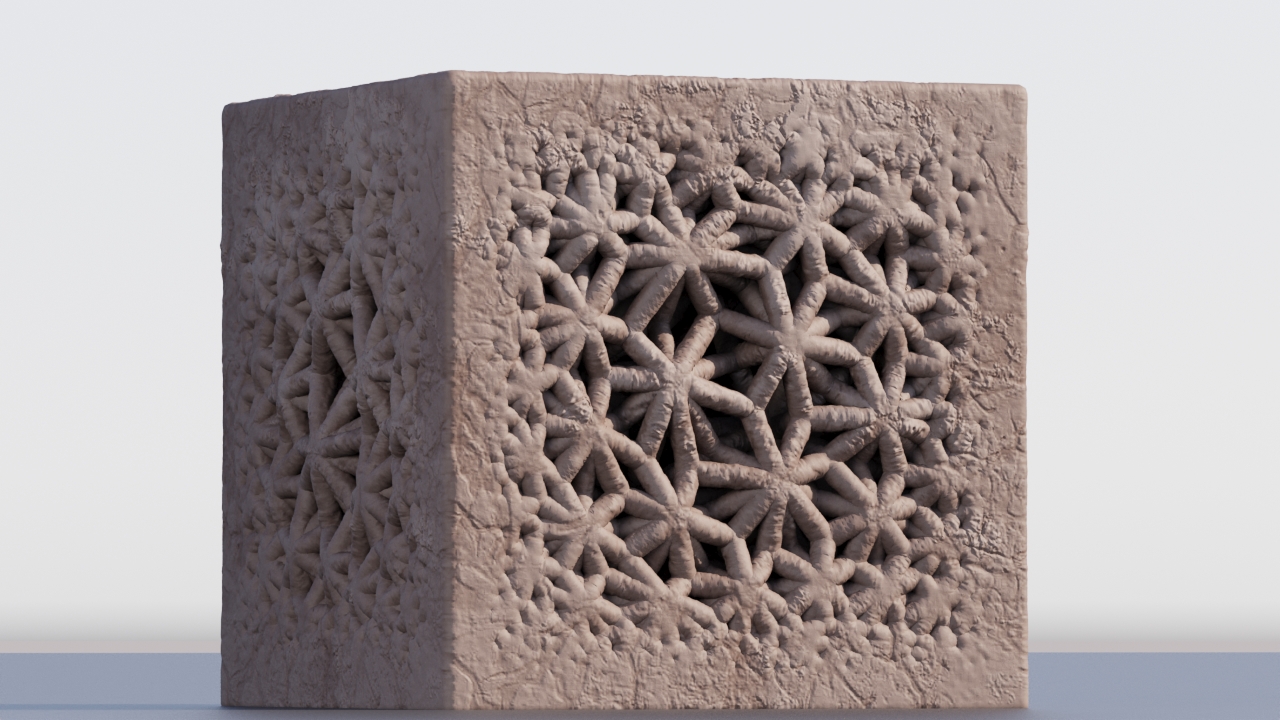
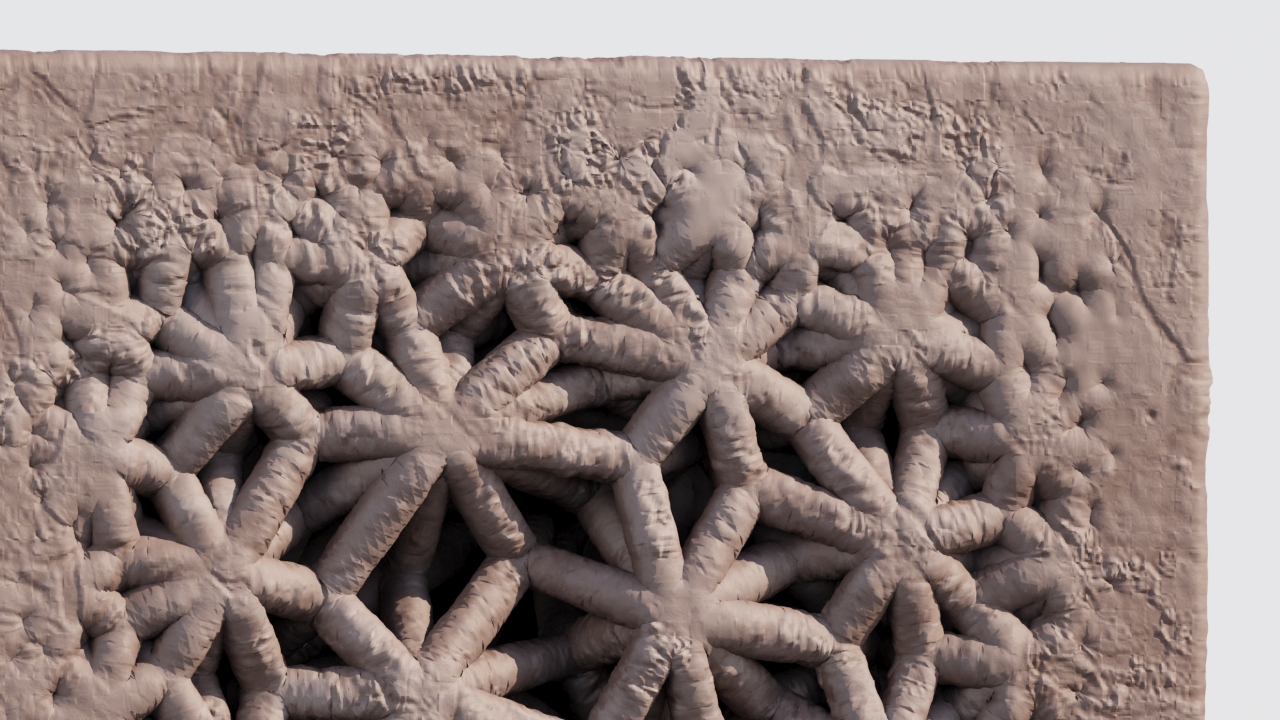
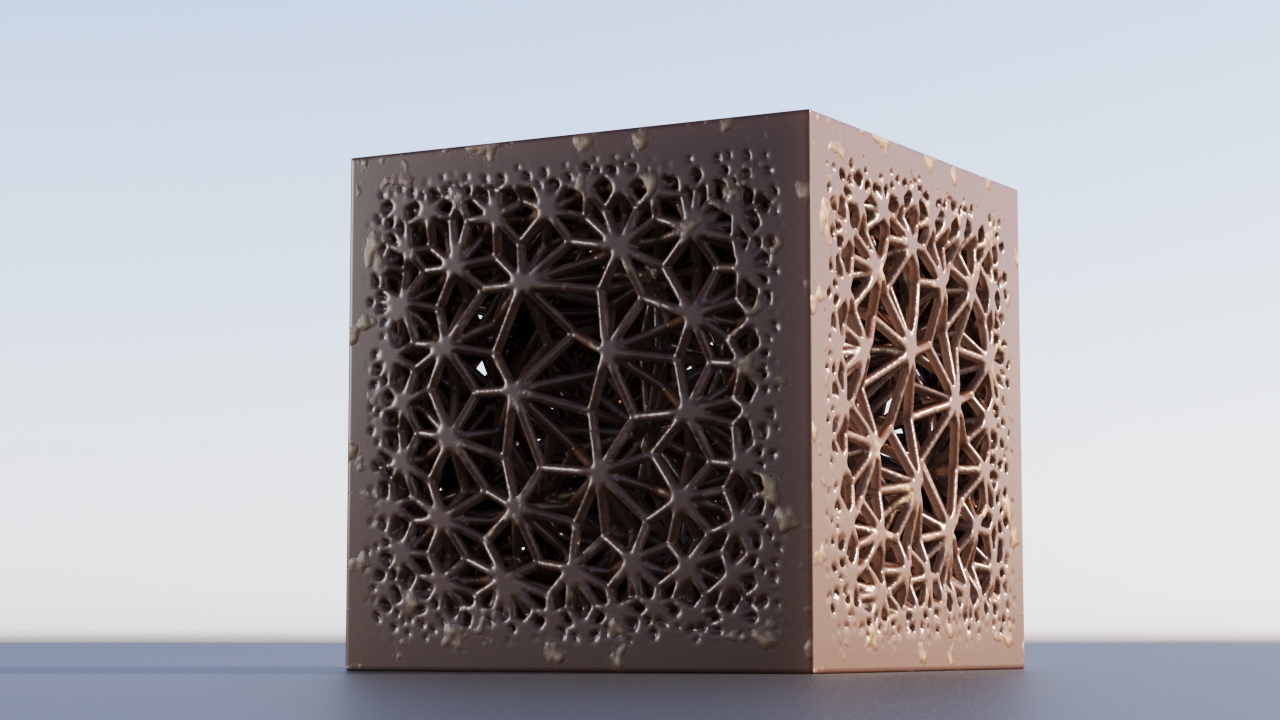
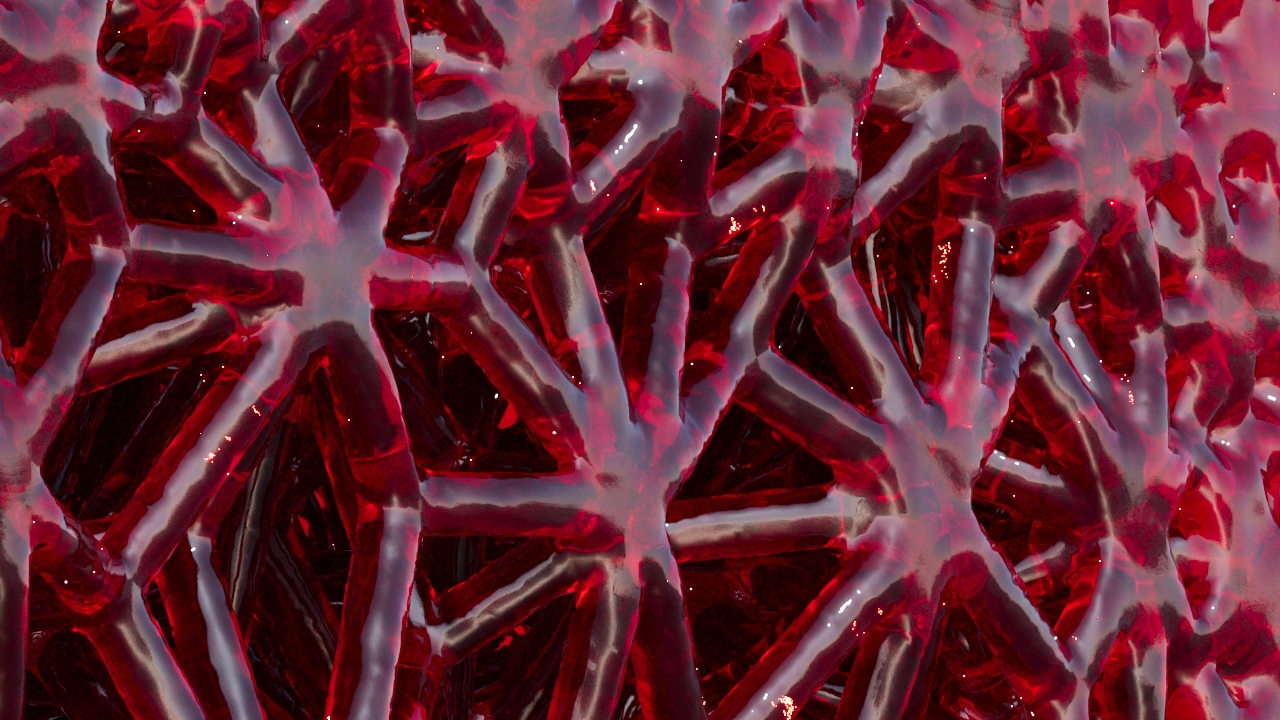
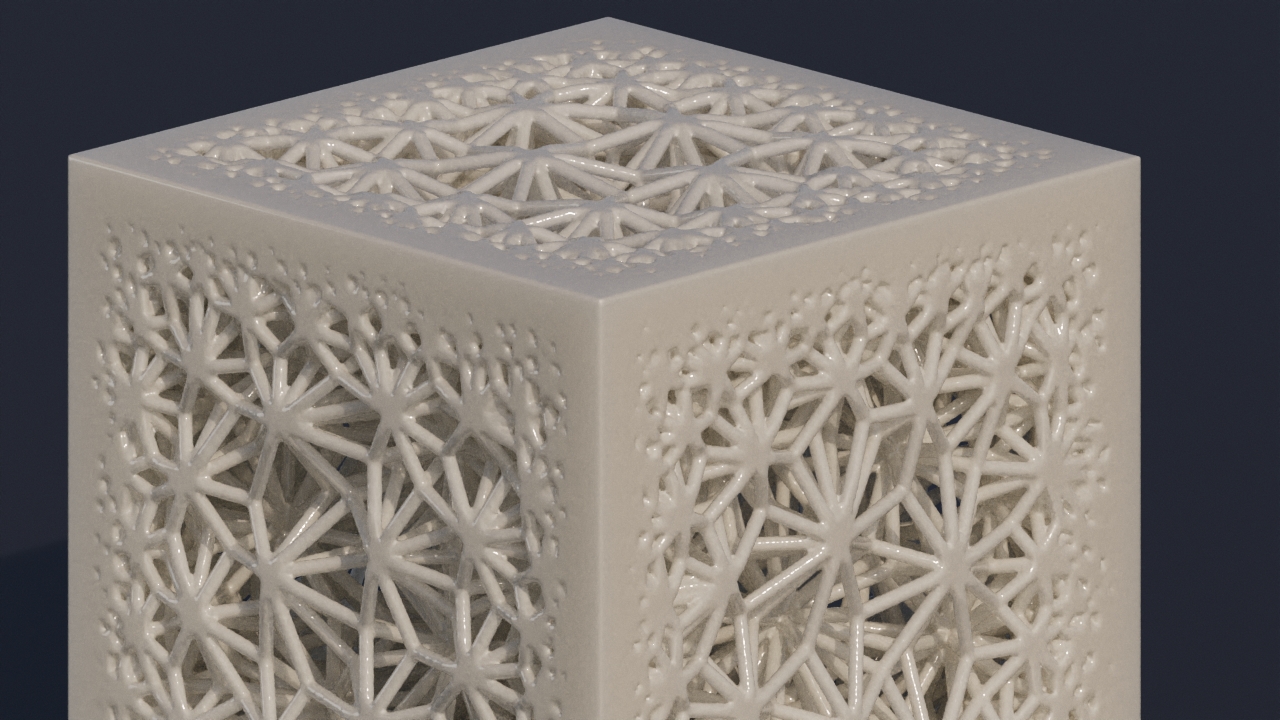
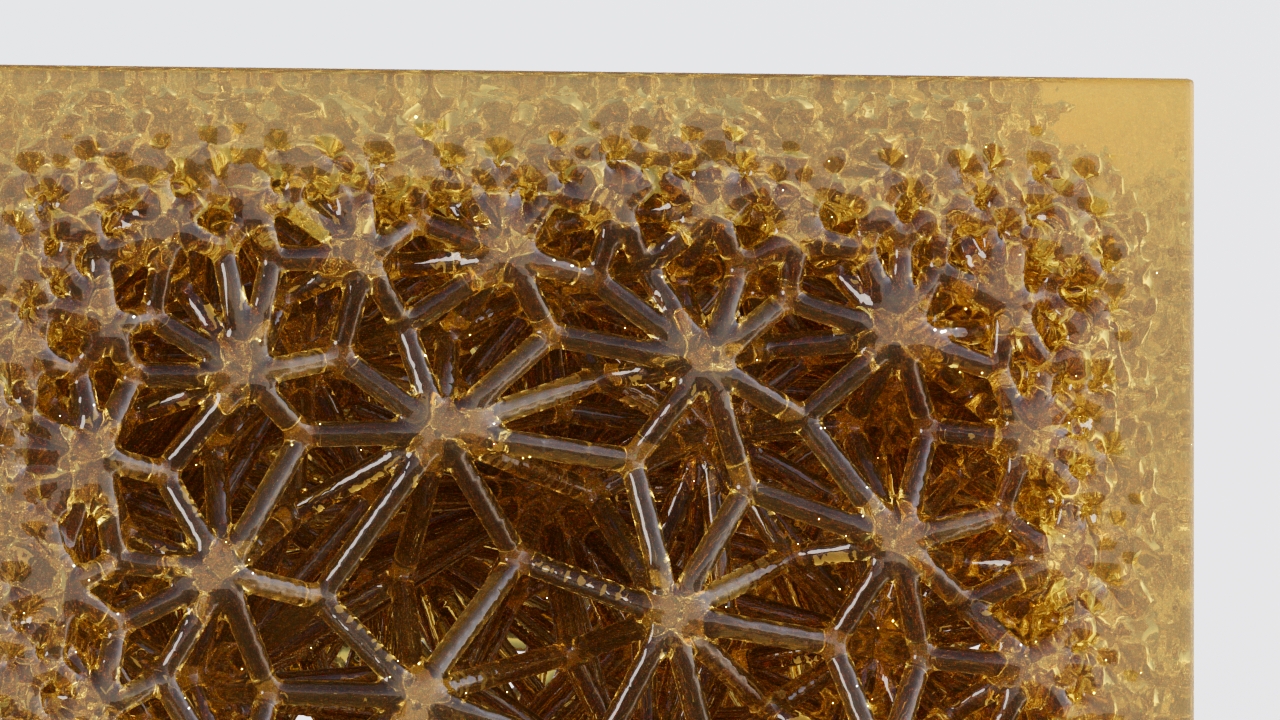
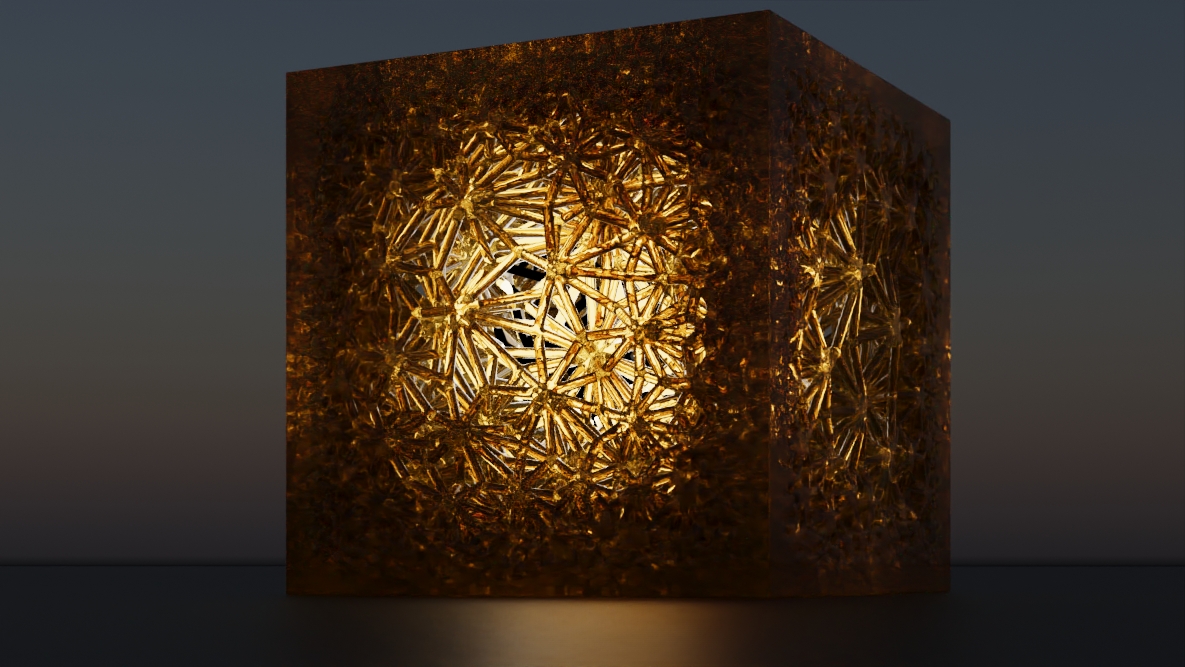
Monkeying around having some fun with a cube lattice structure and various sub surface scattering (sss) materials using the corona render engine.
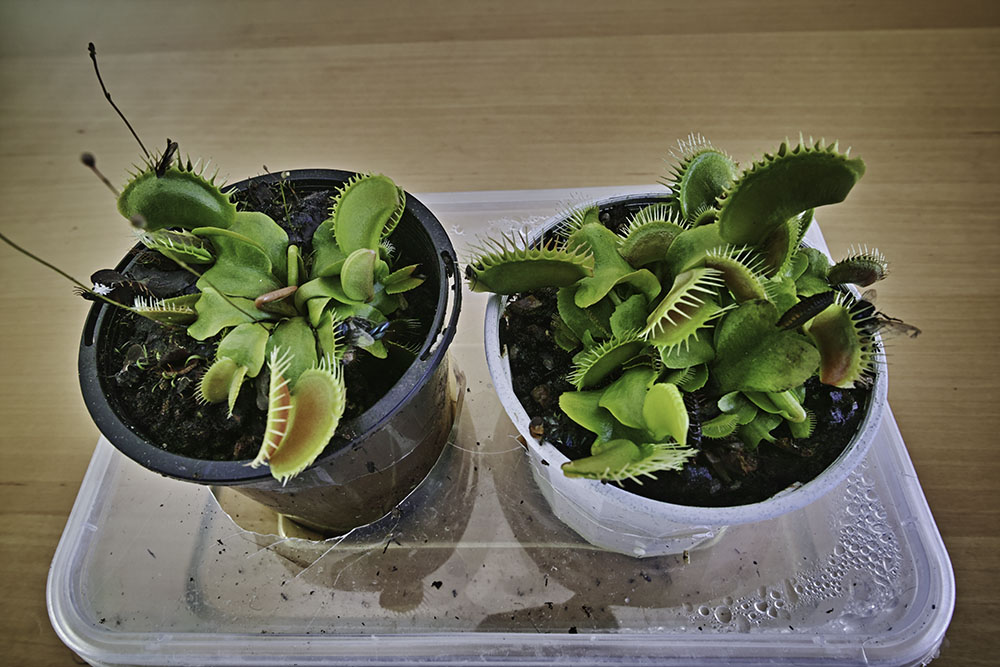
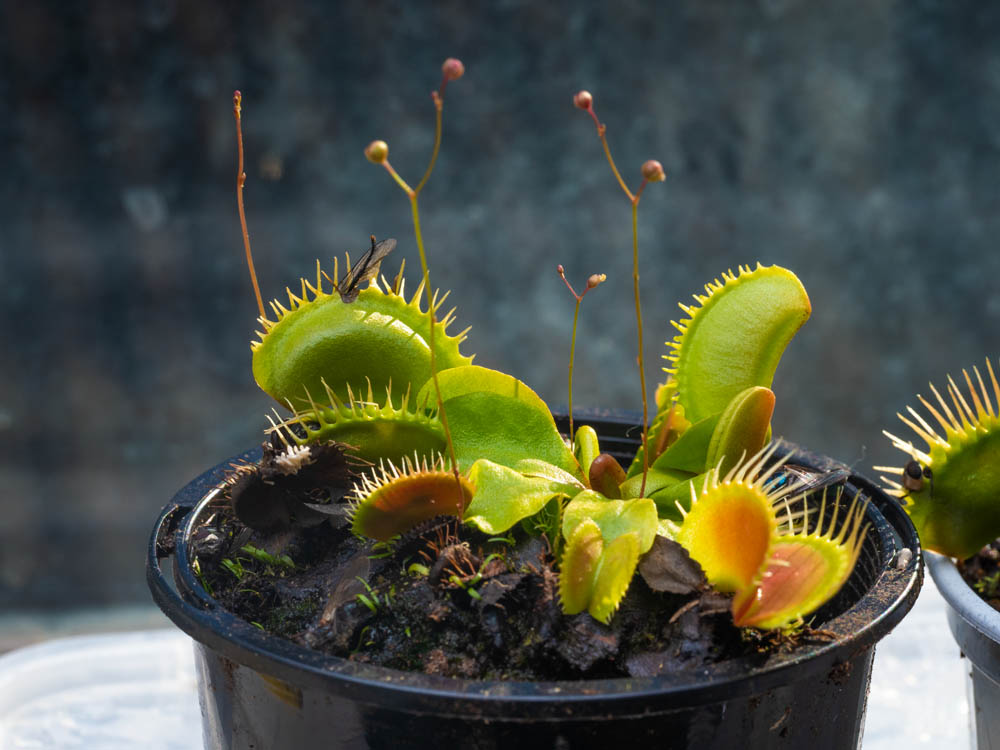
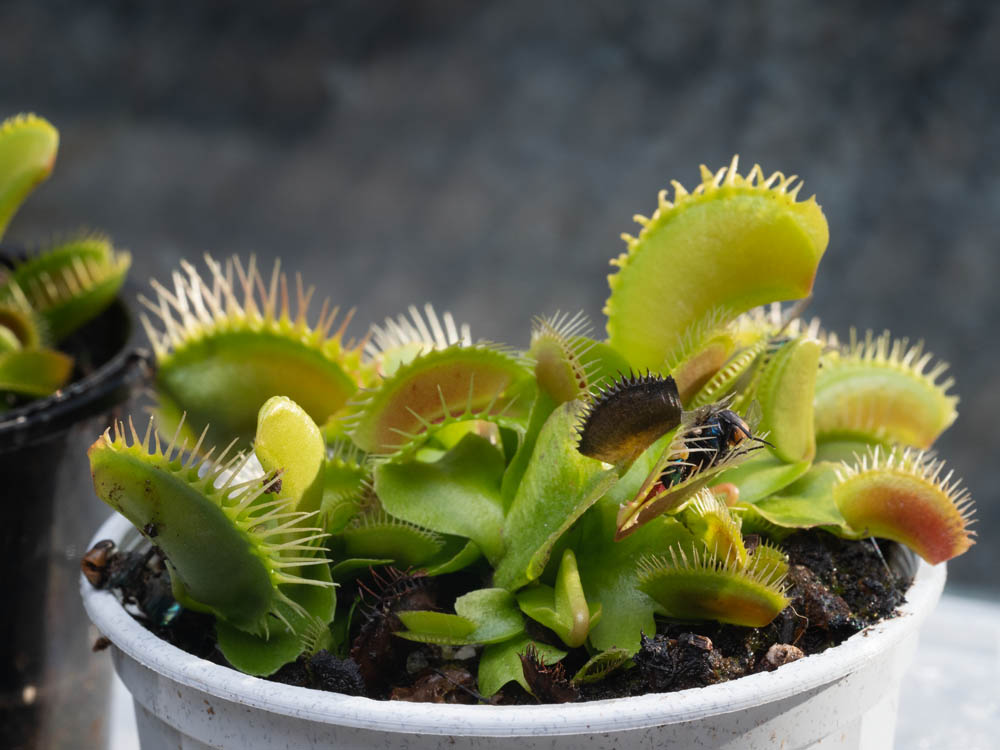
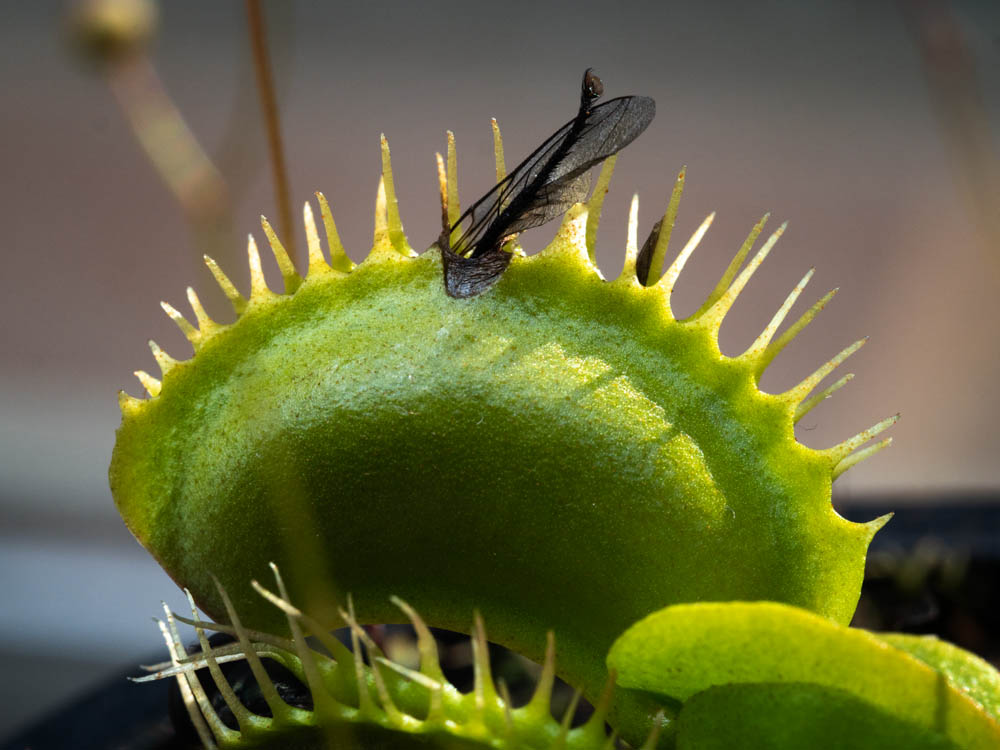
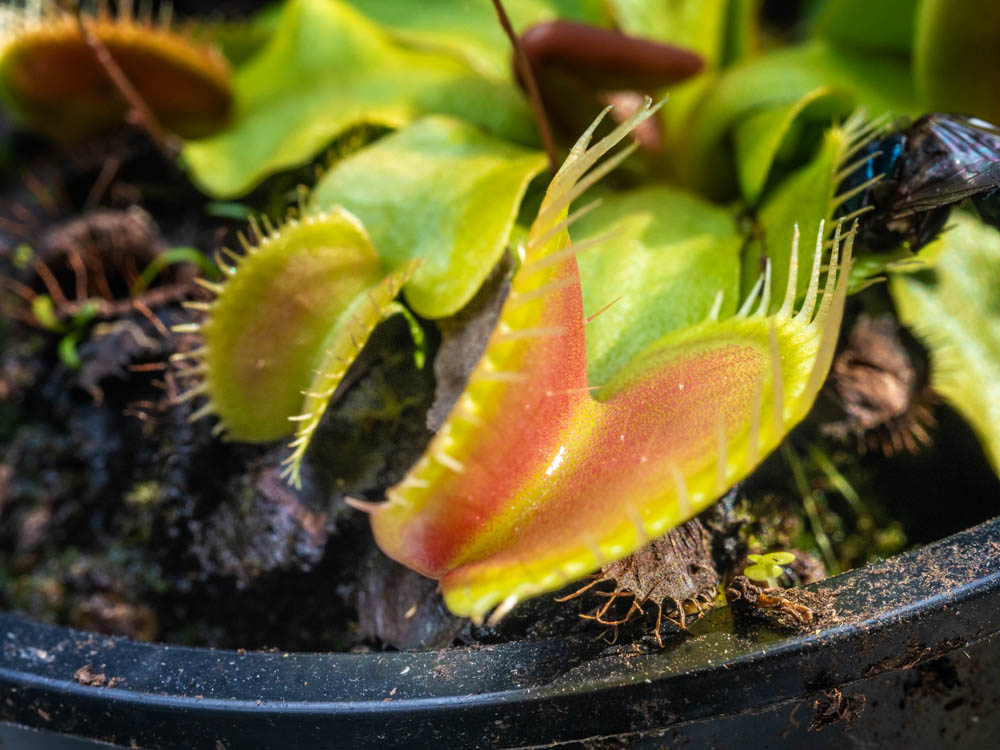
Two months later and the Venus Fly traps are still alive. A most remarkable occurrence. My thumbs are getting greener. The Venus Fly traps are native to North Caroliner, USA and while I have not ventured to that neck of the woods I am guessing their natural habitat is damp as these plants like to be sitting in a shallow tray of water. The water absolutely has to be pure water, ie no tap water as chemicals in tap water will kill the plants. I hacked a takeaway container keeping the lid on to reduce evaporation. It works well, just not very elegant and I saw some mosquito larvae swimming in the water.
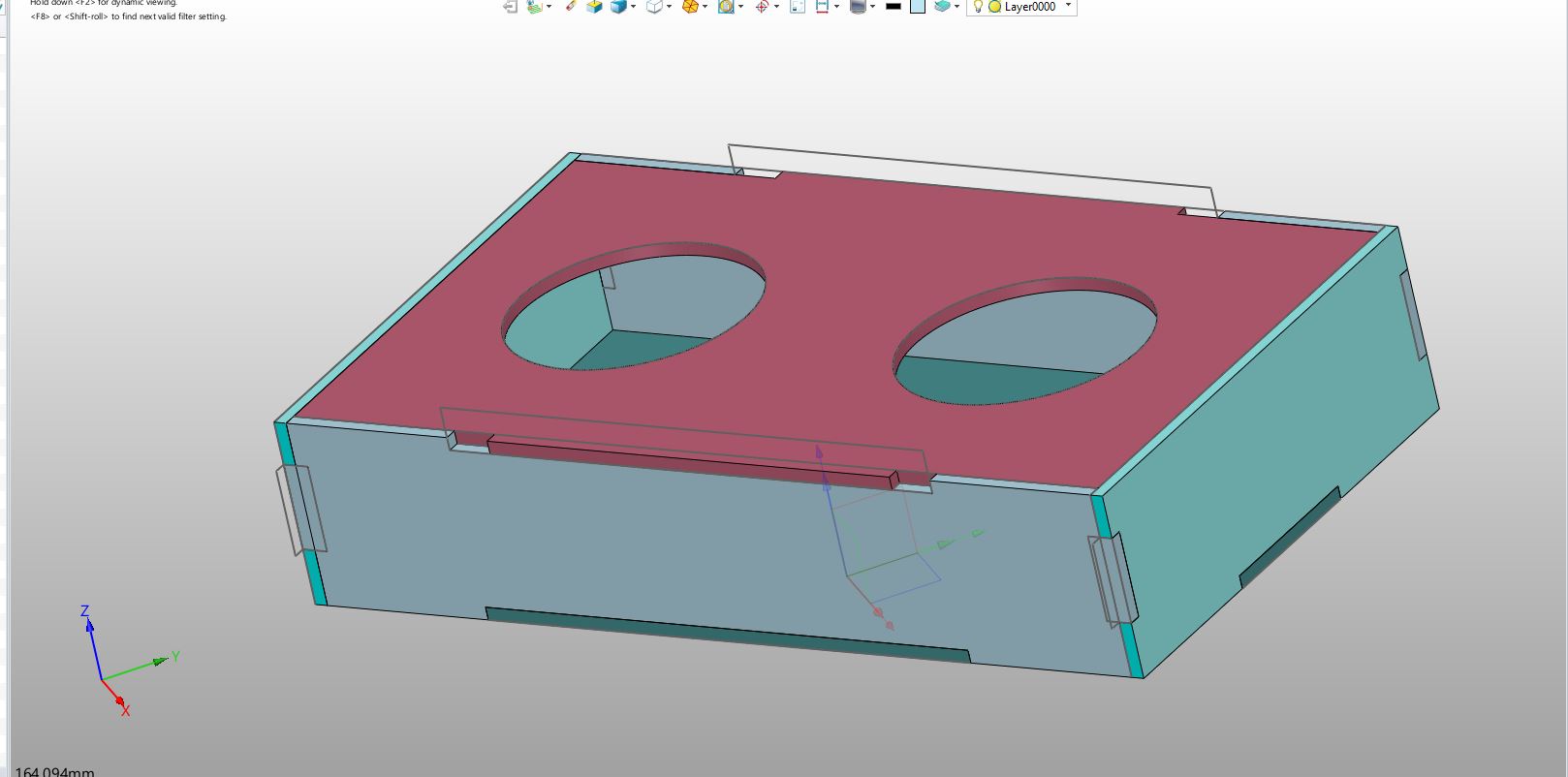
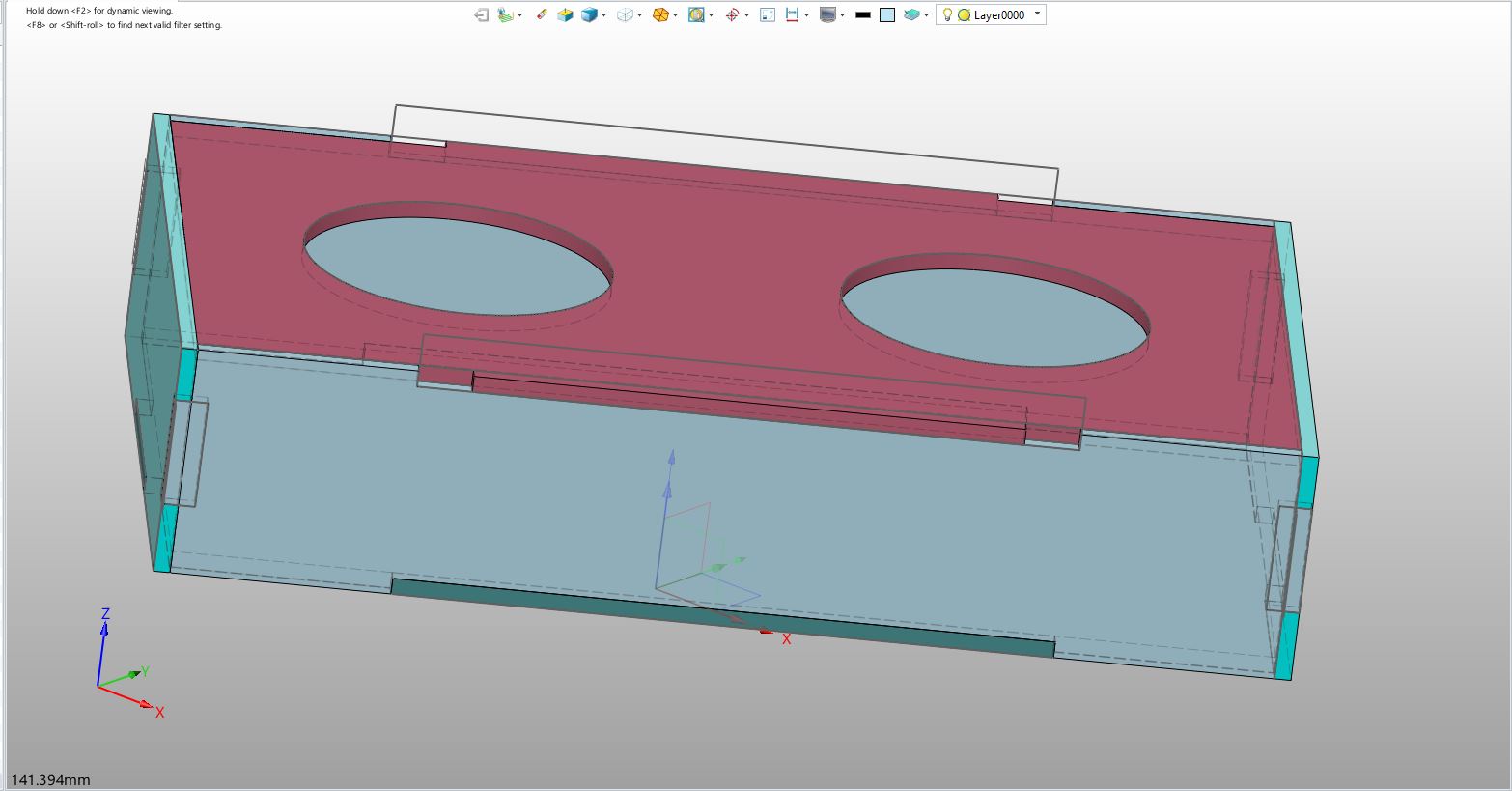
Plans are in the pipeline to machine an enclosure out of 3mm perspex. The design intent is shown below.
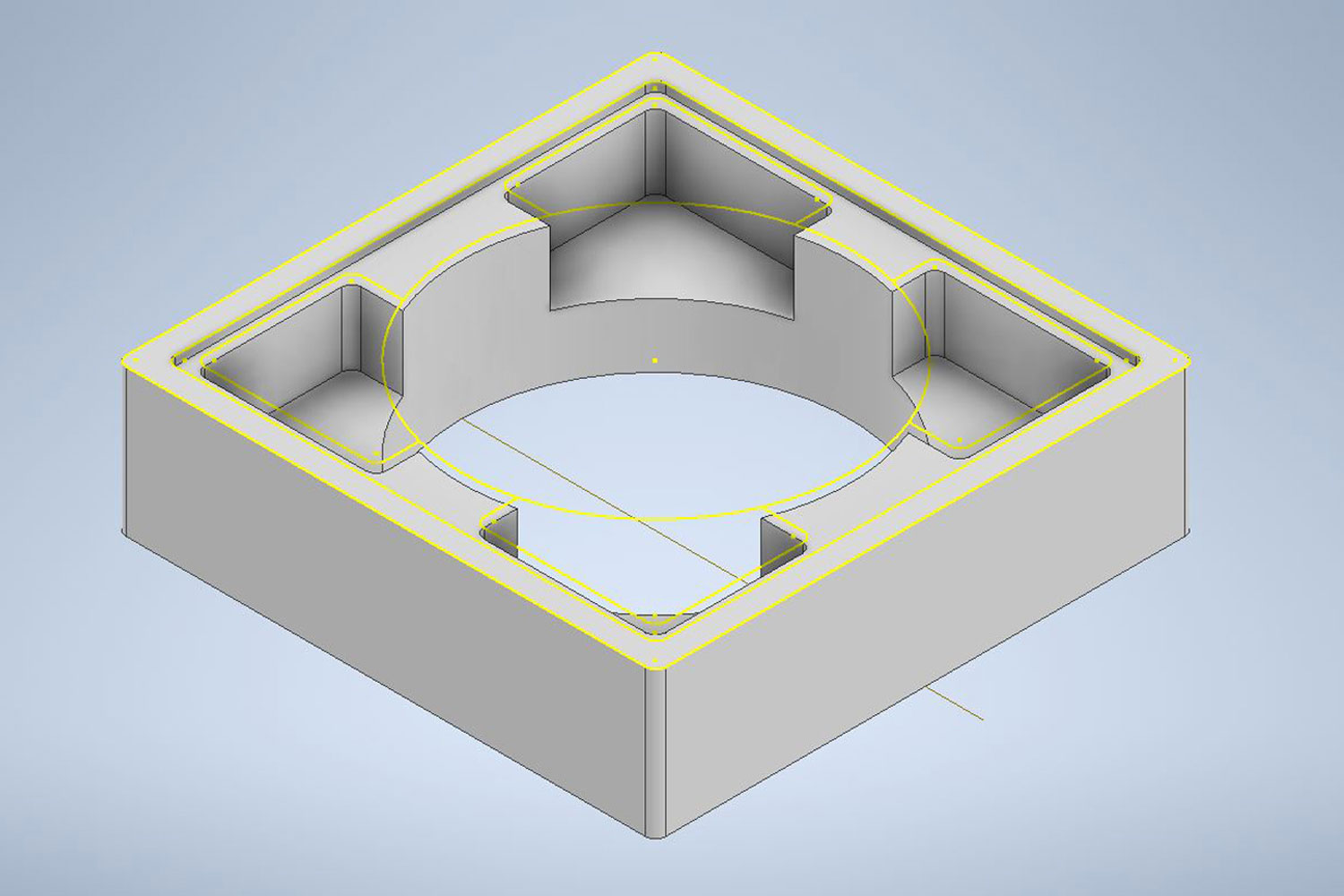
With a little bit of knowledge and a great deal of enthusiasm, a photographer these days can design and fabricate a wide range of parts and accessories for their cameras. Custom made is the way to go. This monkeys mantra is design in stages and fabricate in parts. Get one thing to work, then iterate and make it better.
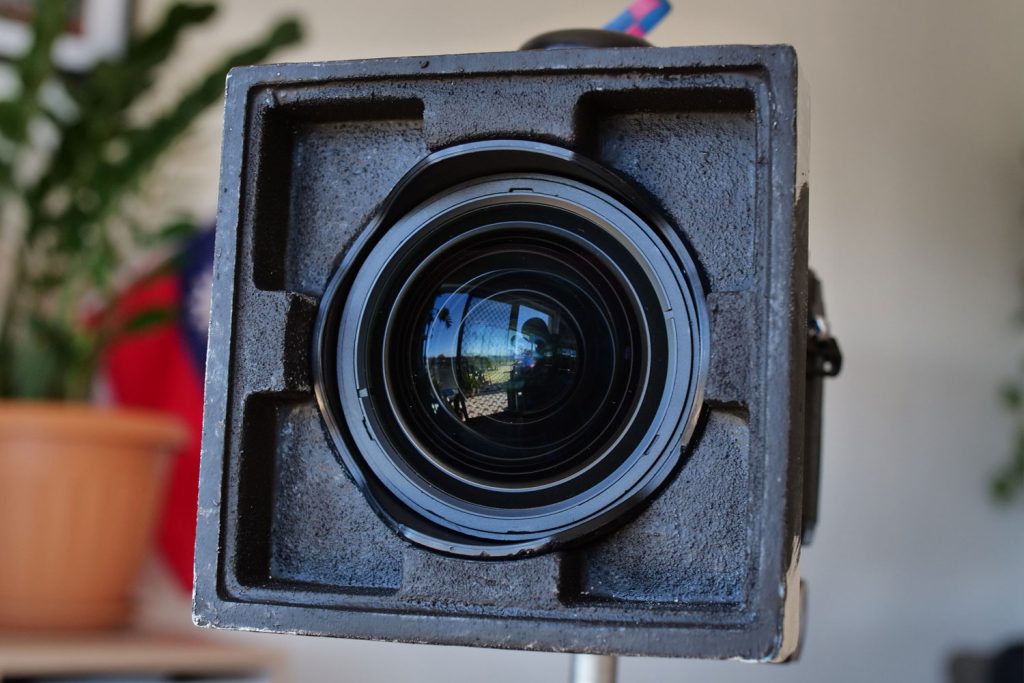
add more textabout cnc
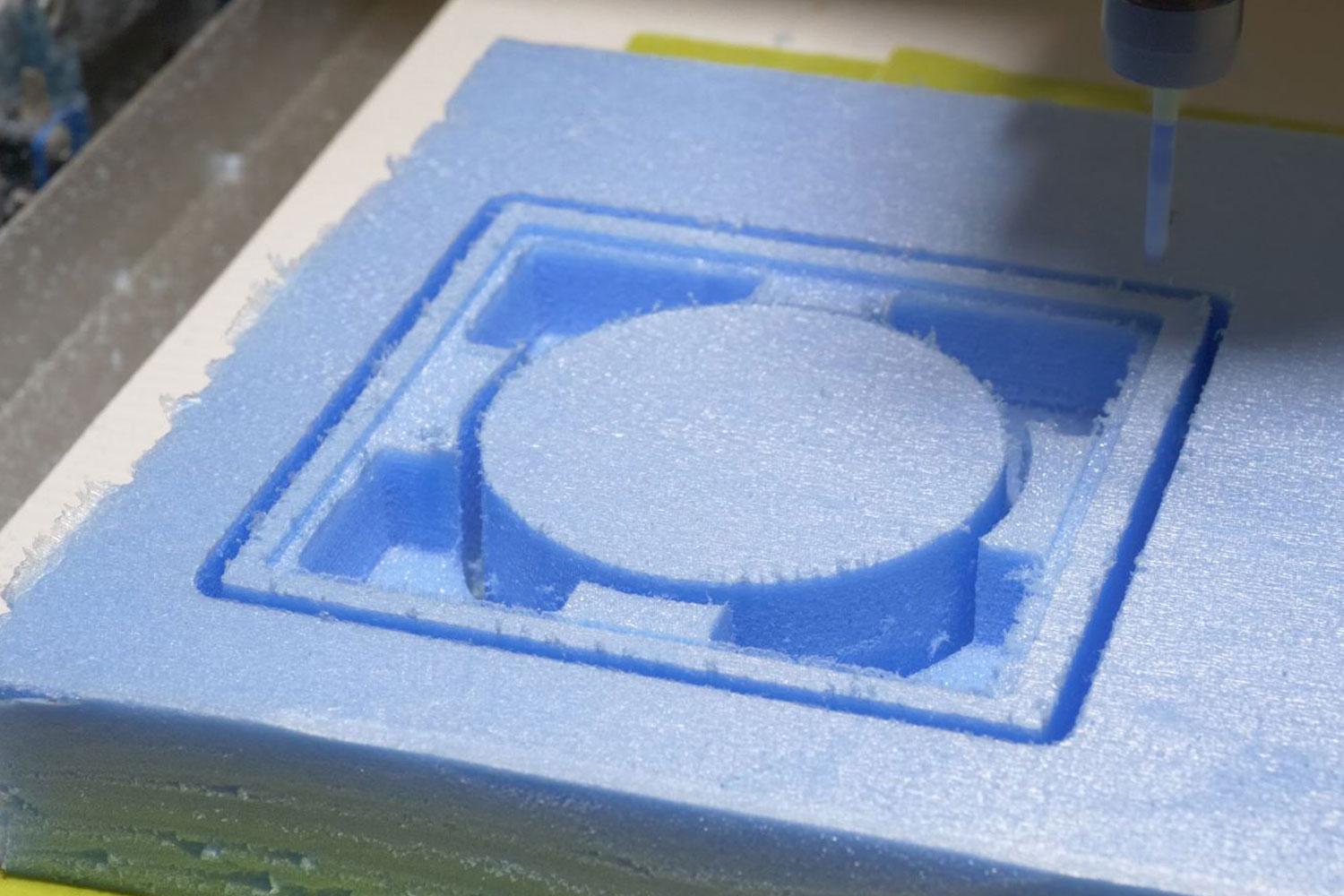
Just over 30 minutes later and the part is done. Read the full design and fabrication on this page.
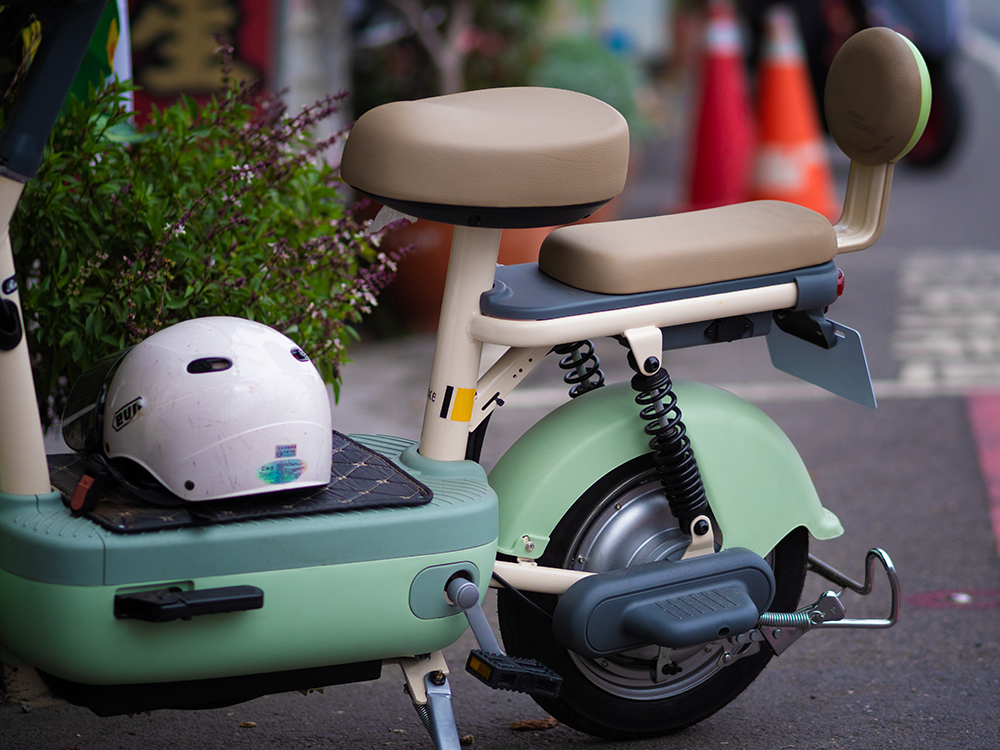
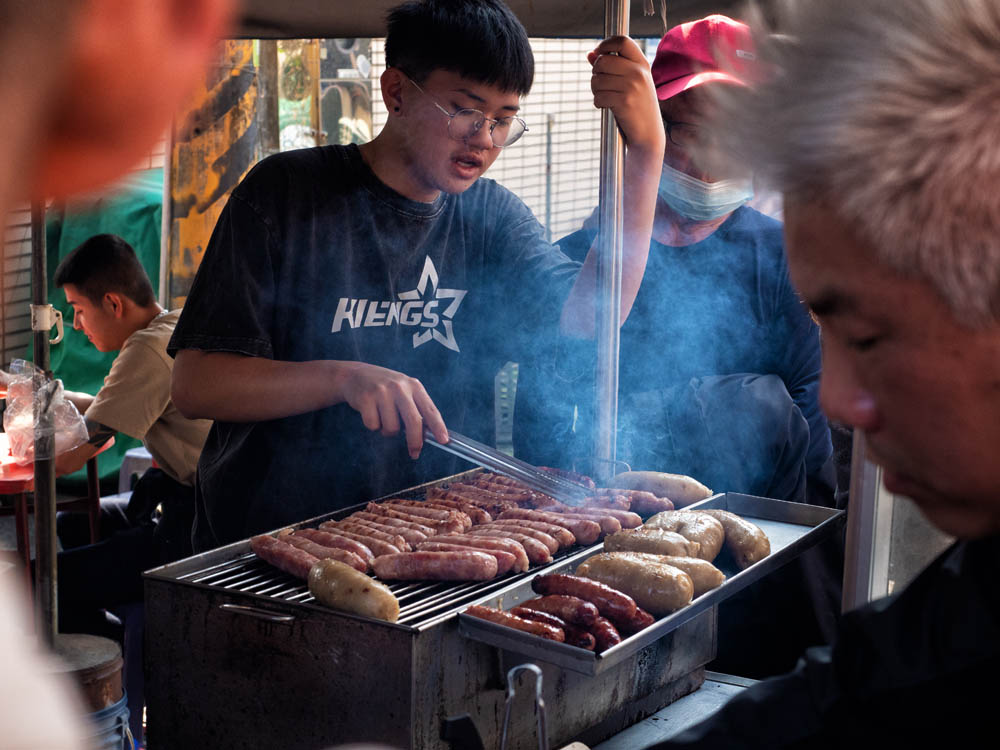
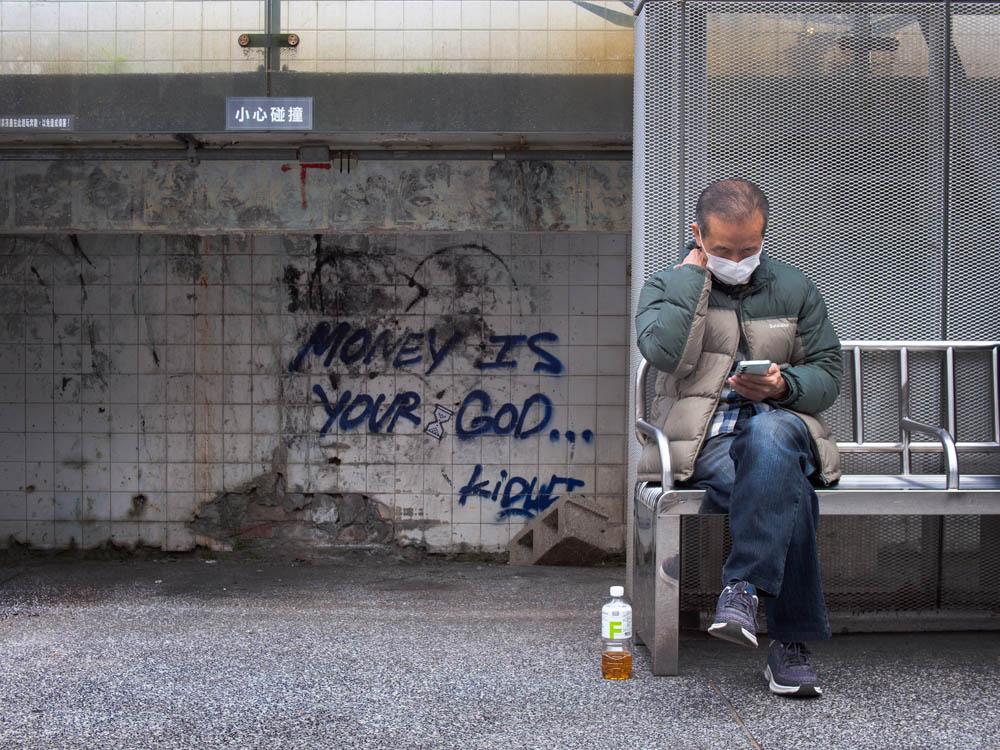
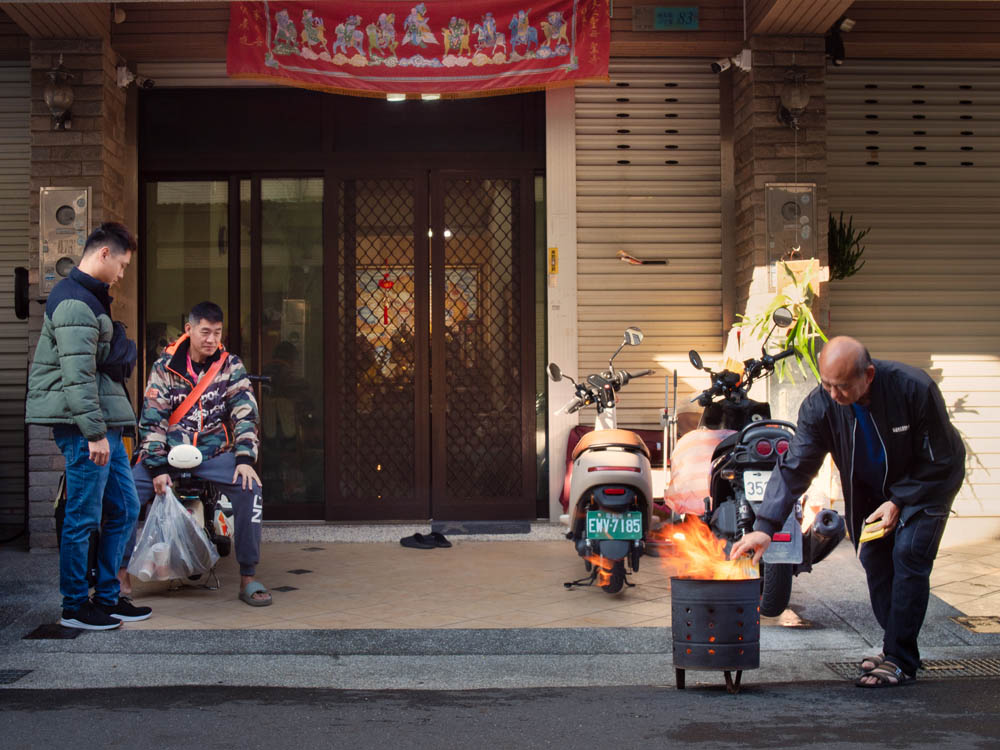
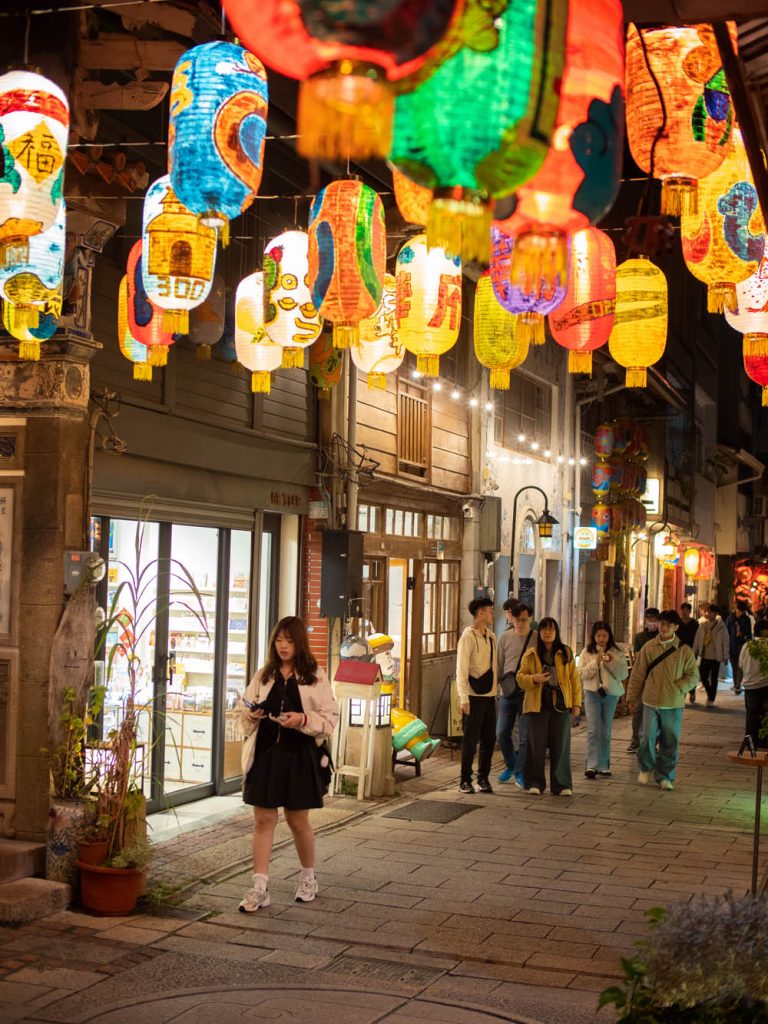
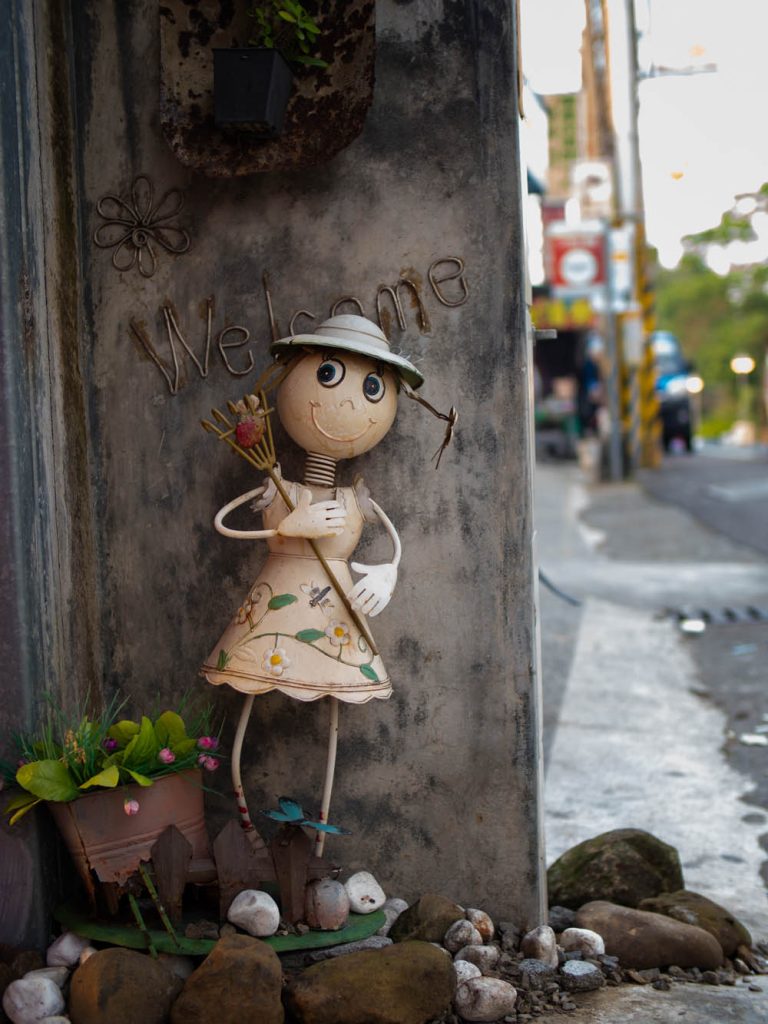
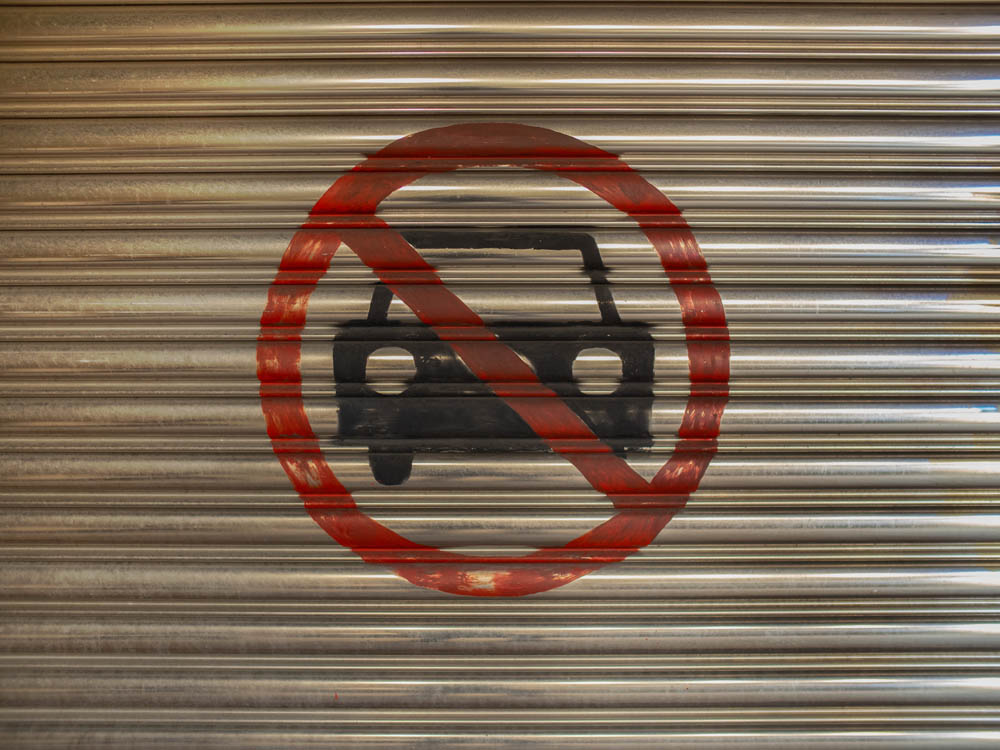
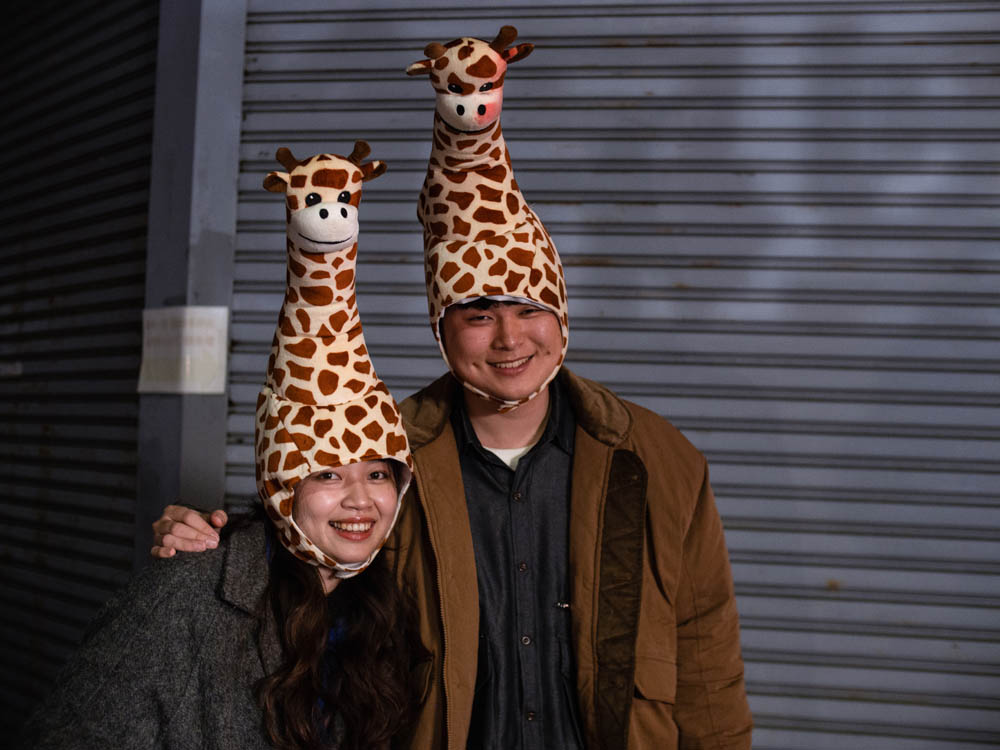
10 days in Taipei and Tainan photographing with the Olympus EM1M2 and the Olympus 12-100mm lens.
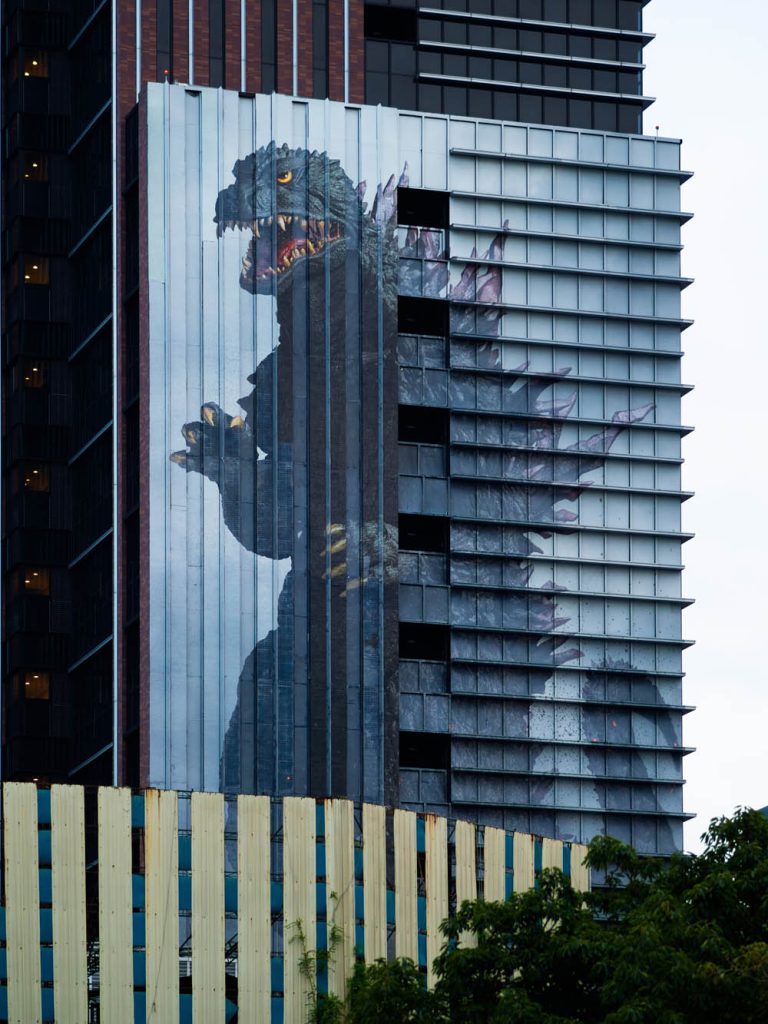
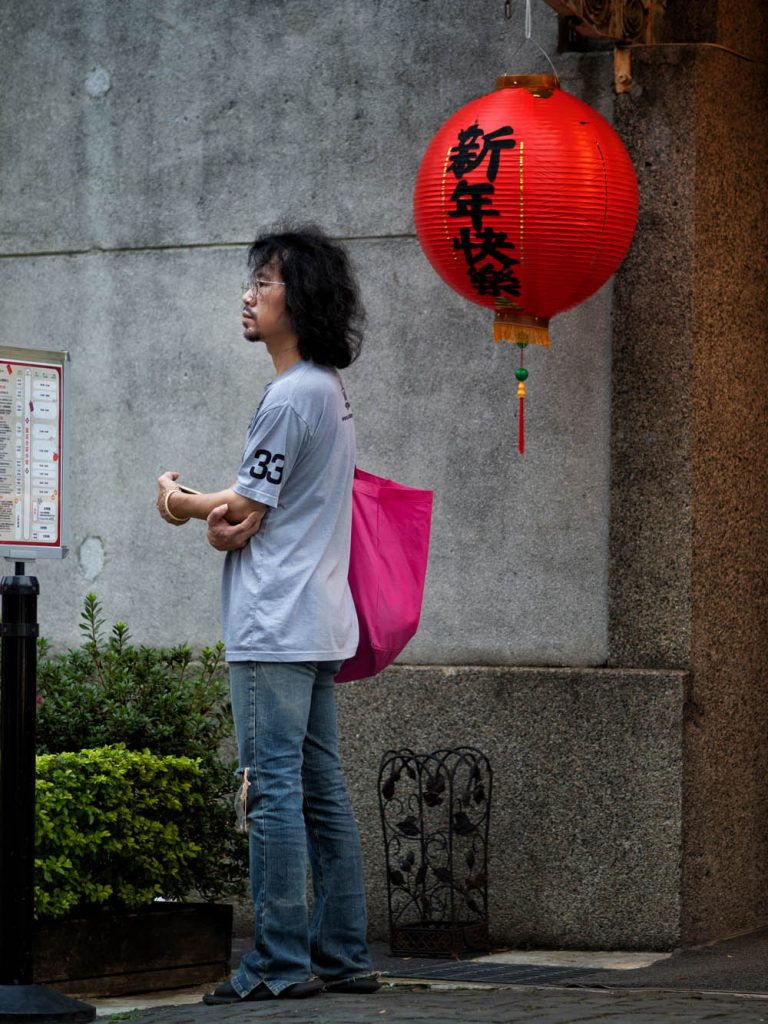
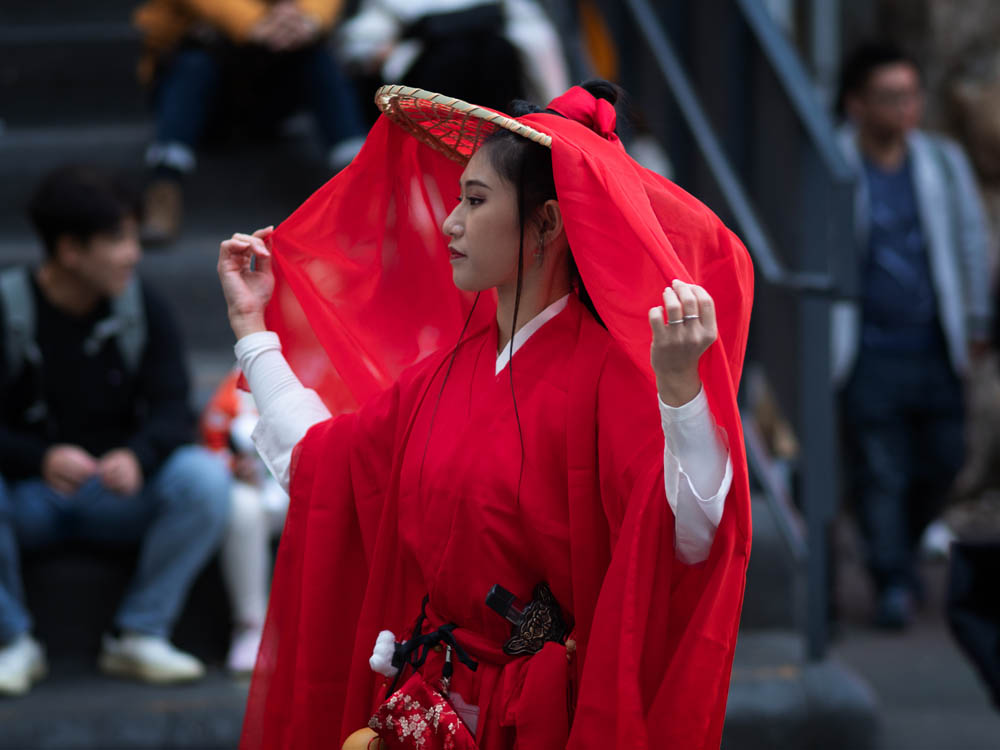
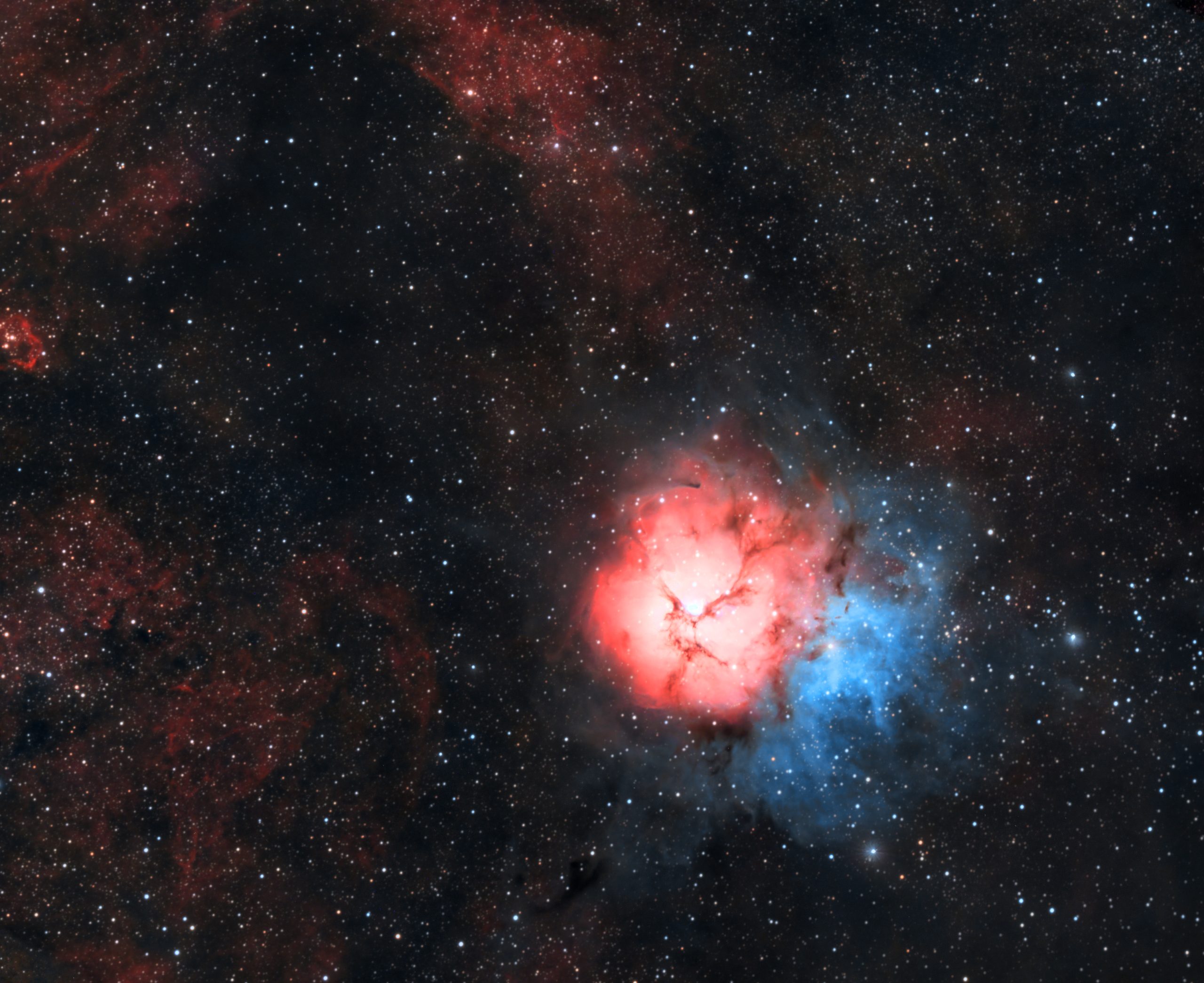
Imaging from a light polluted balcony with a RASA8 telescope and ASI183MC colour camera. The RASA8 faces the eastern night sky and is able to capture 3 hours of data per night. It is paired with a Rainbow Astro RST135E strain wave mount, all controlled via a laptop running NINA and CDC (SkyChart).
My current workflow (July 2025) is AstroPixel Processor > Graxpert > Siril.
AstroPixel Processor creates a master calibrated “light” 32bit FIT, Graxpert to remove background gradients and noise, Siril is used for photometric colour calibration and to run StarNet,
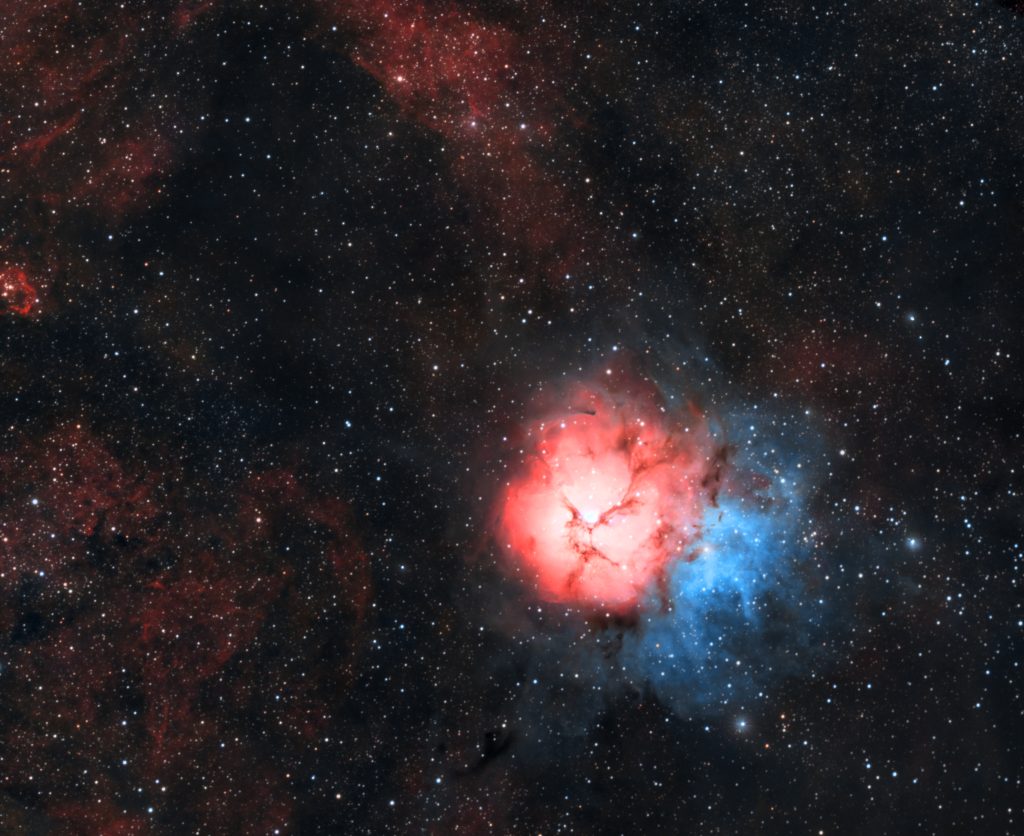
Below is a single 60 second “sub” exposure straight out of the camera with an automatic stretch applied viewed in ASIFitsView using right click to save a jpg file.
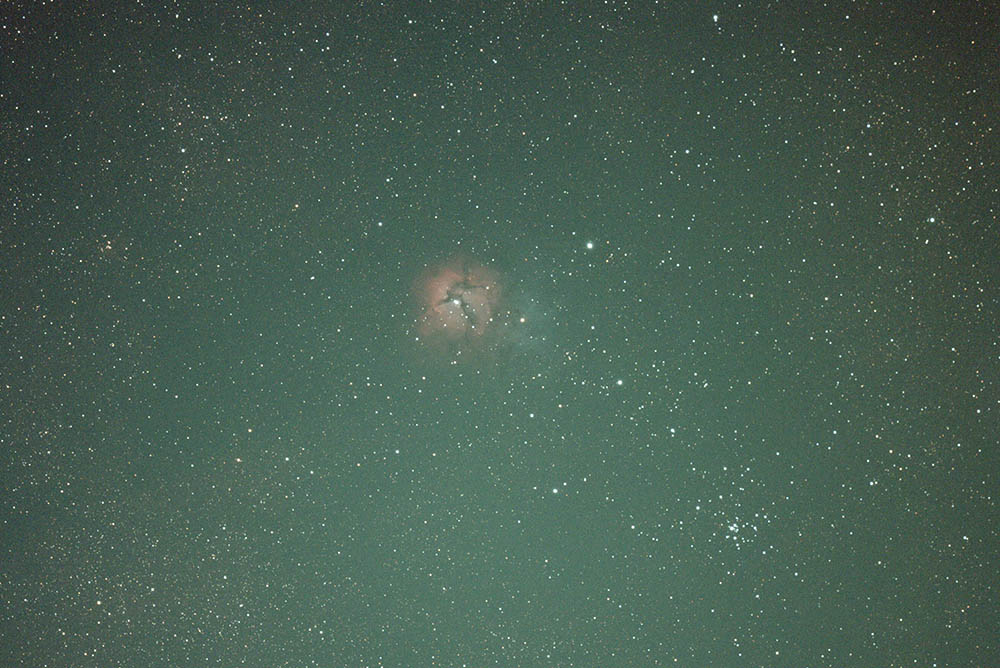
The final image – 180 * 60 second sub exposures. Incredible what is possible with today’s gear and software.